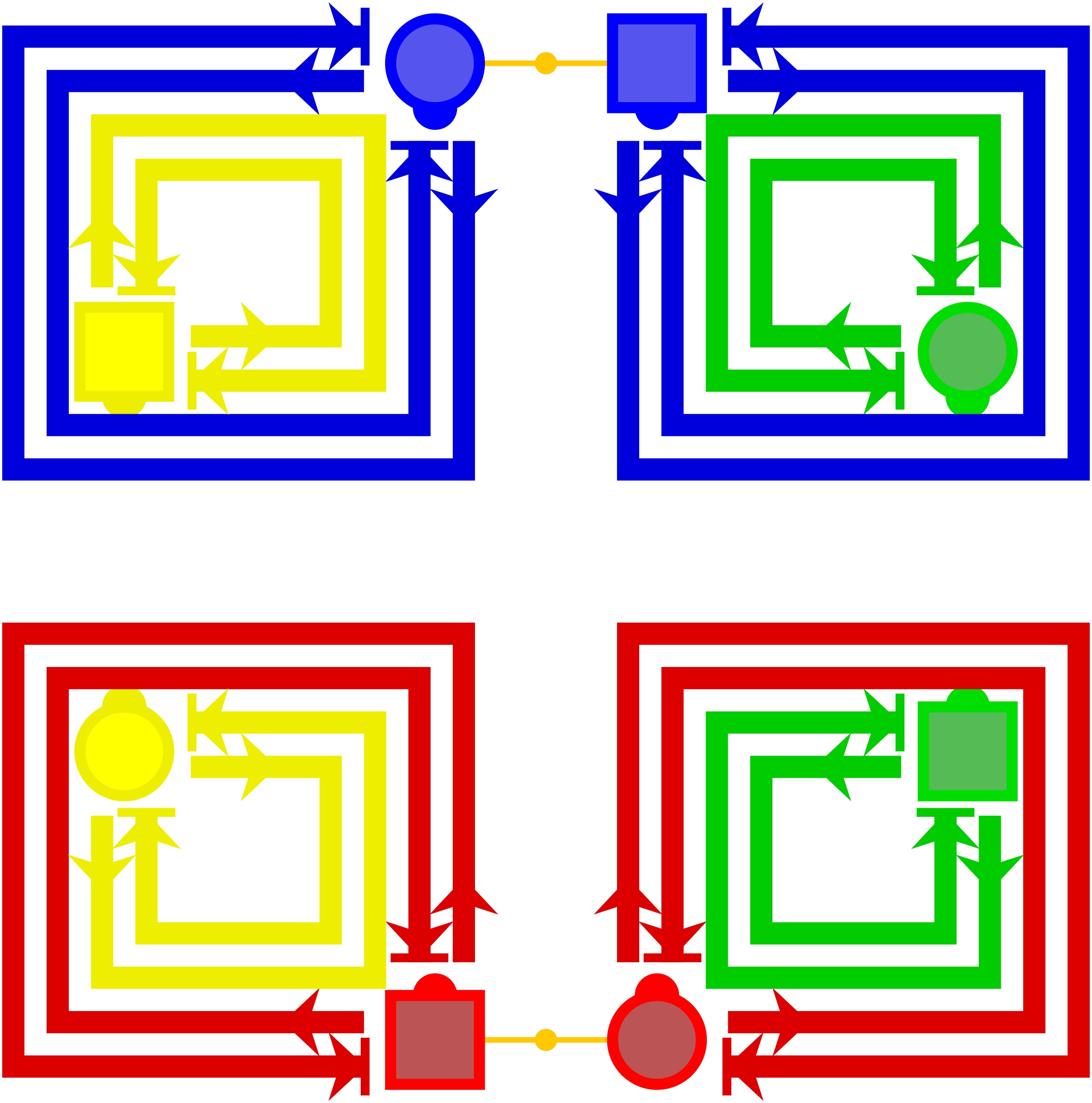
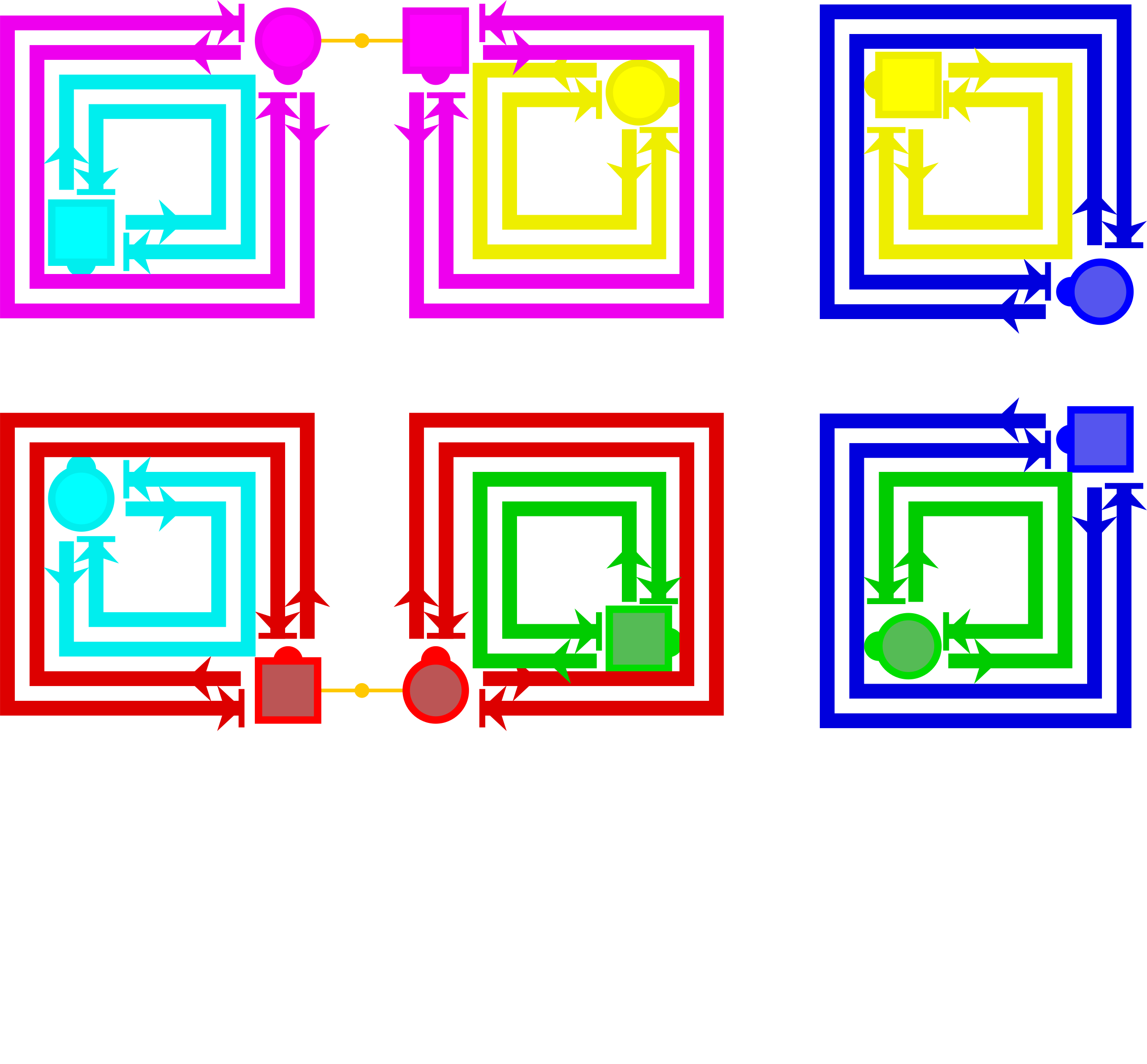
With text describing the history of Grand Square, from Playford's Hunsdon House in 1657, to its use in cotillions and quadrilles (where it was called Grand Quarré), to Henry Ford in 1925 who was the first to add the reverse.
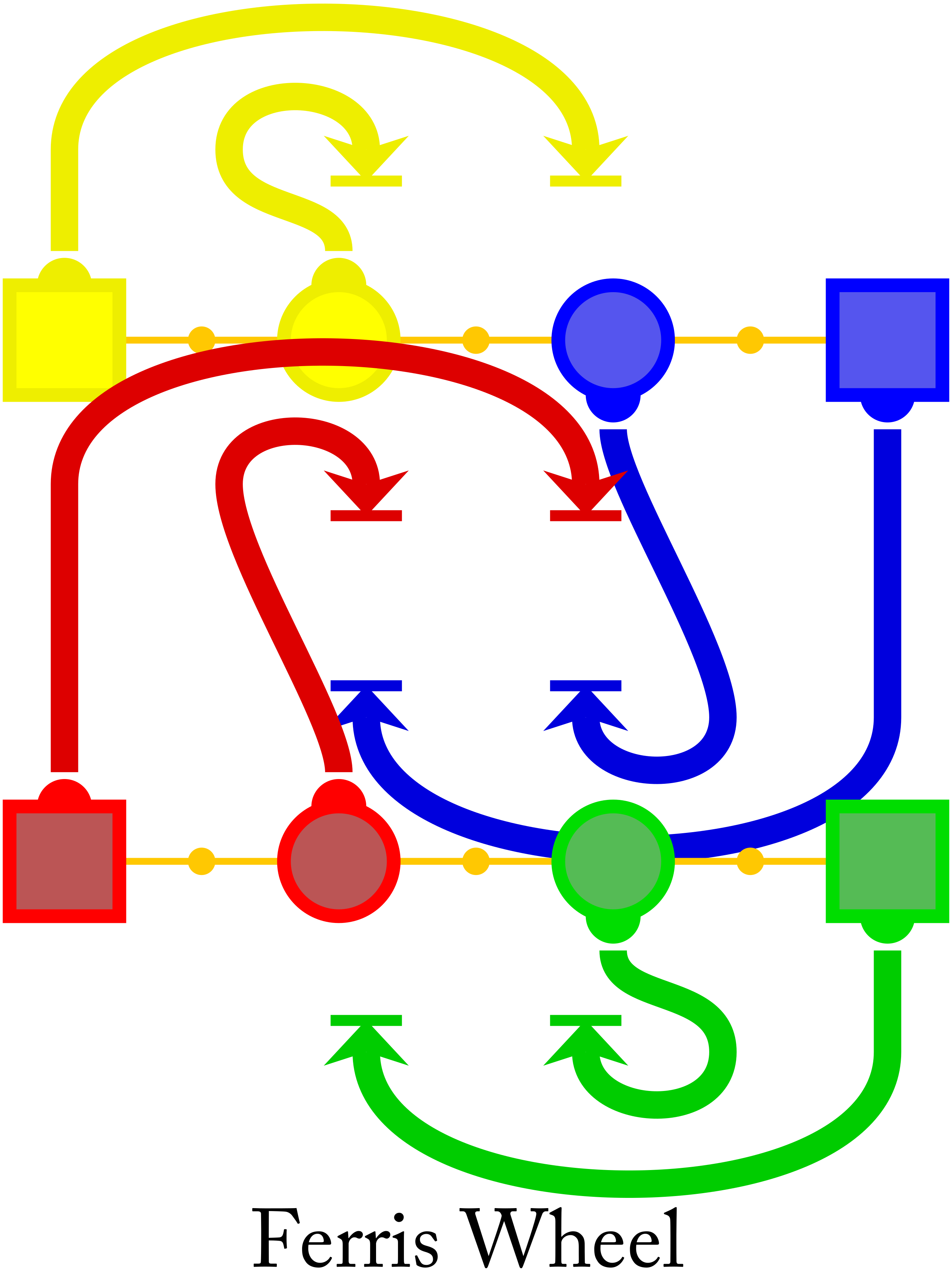
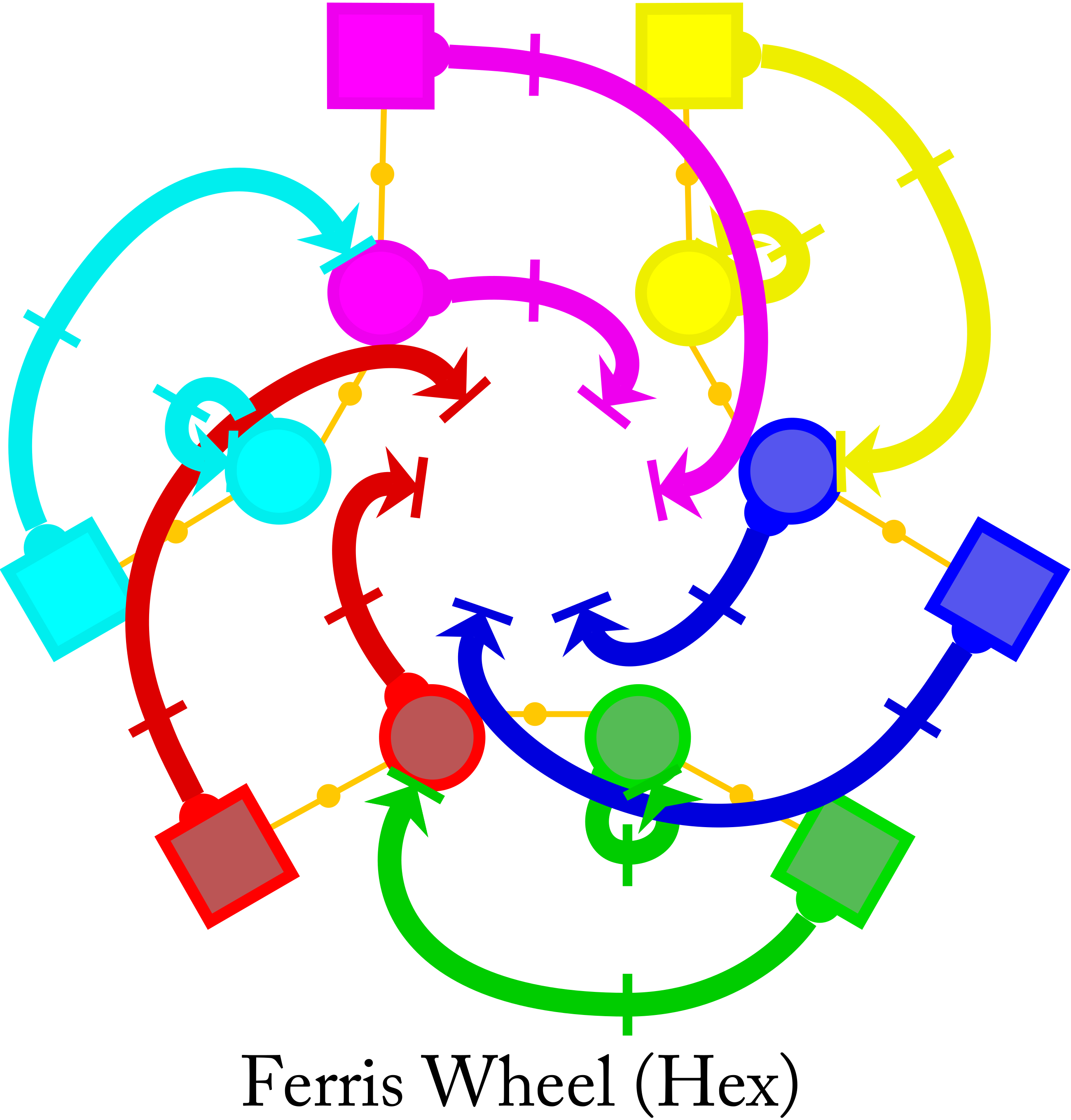
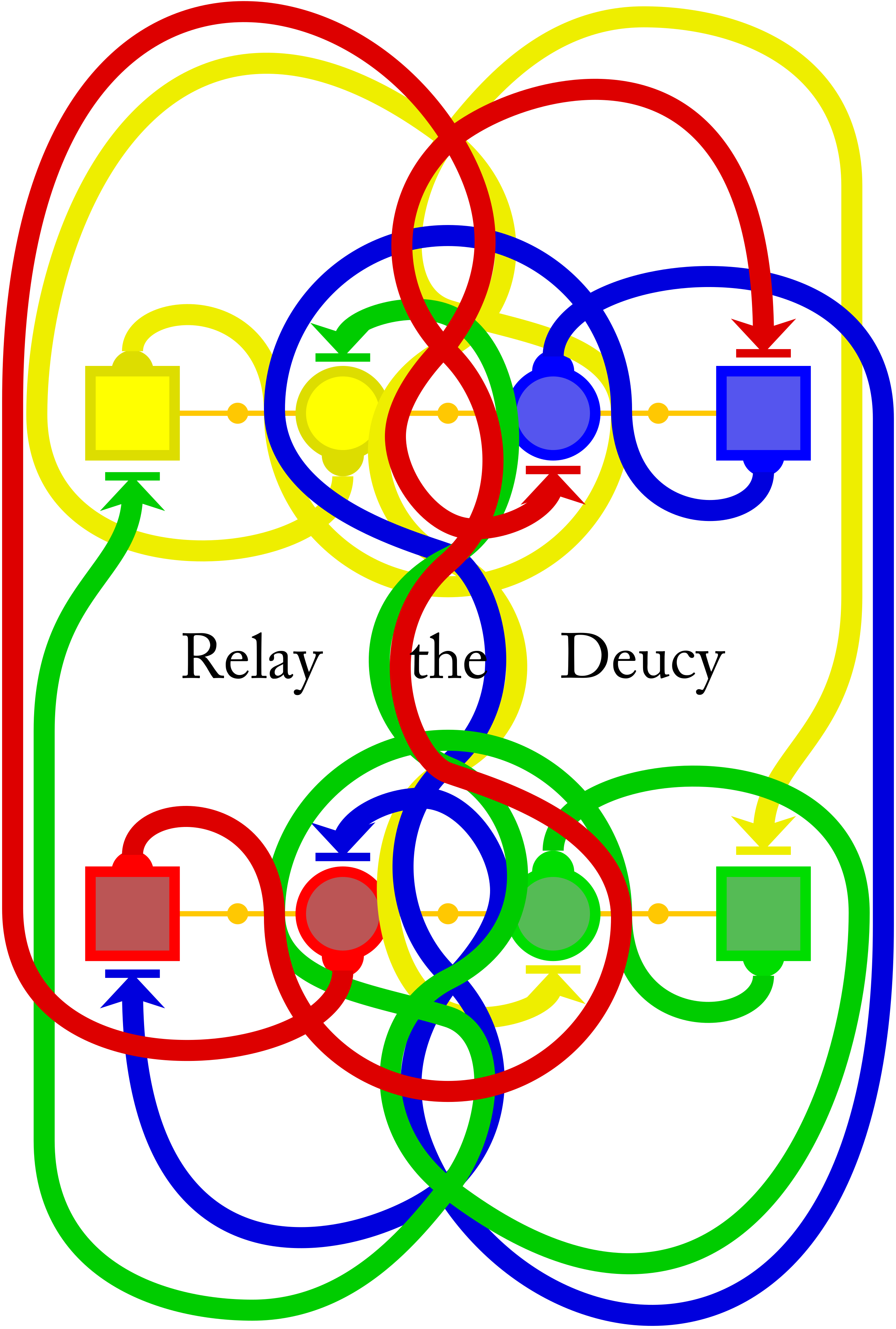
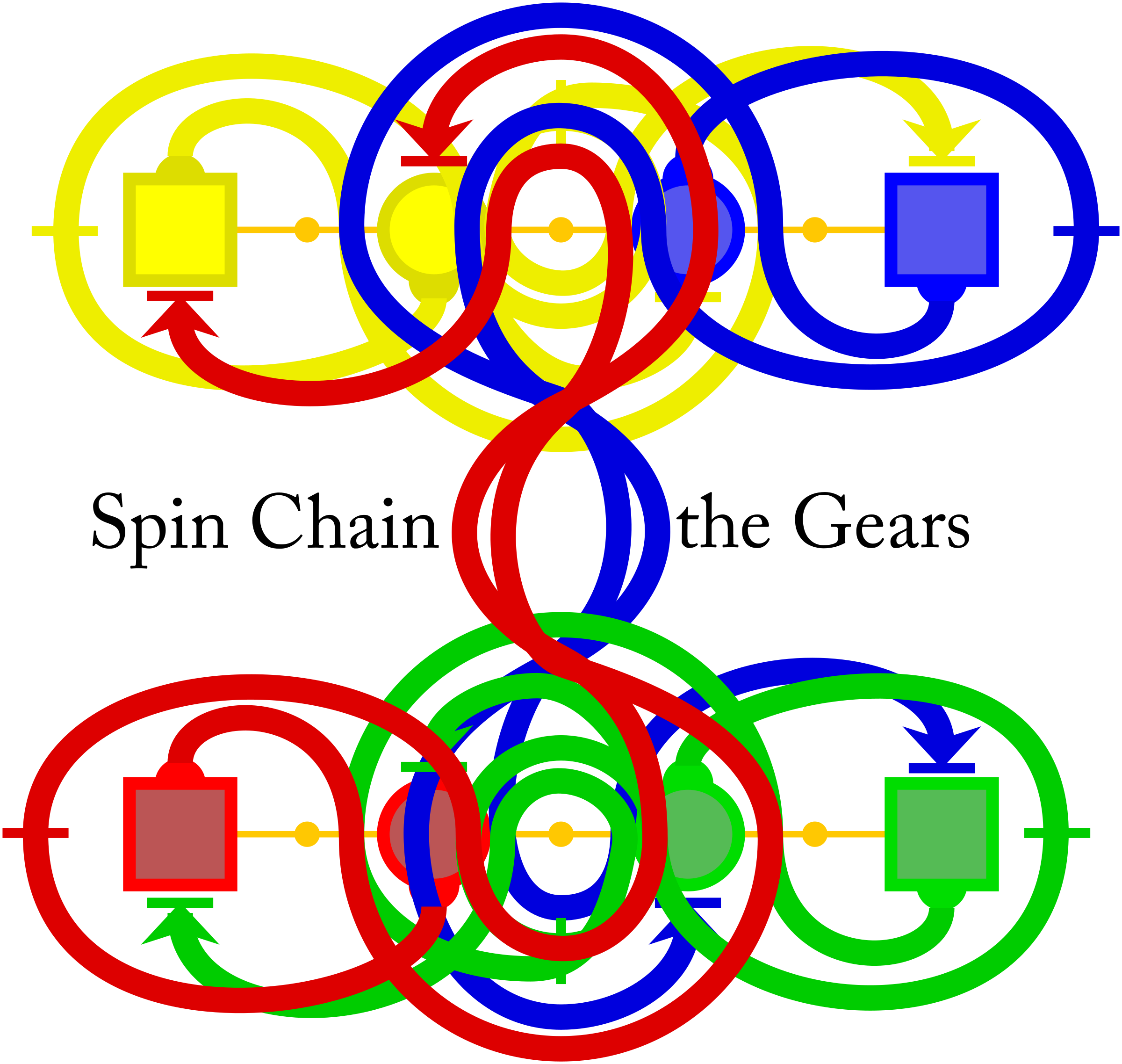

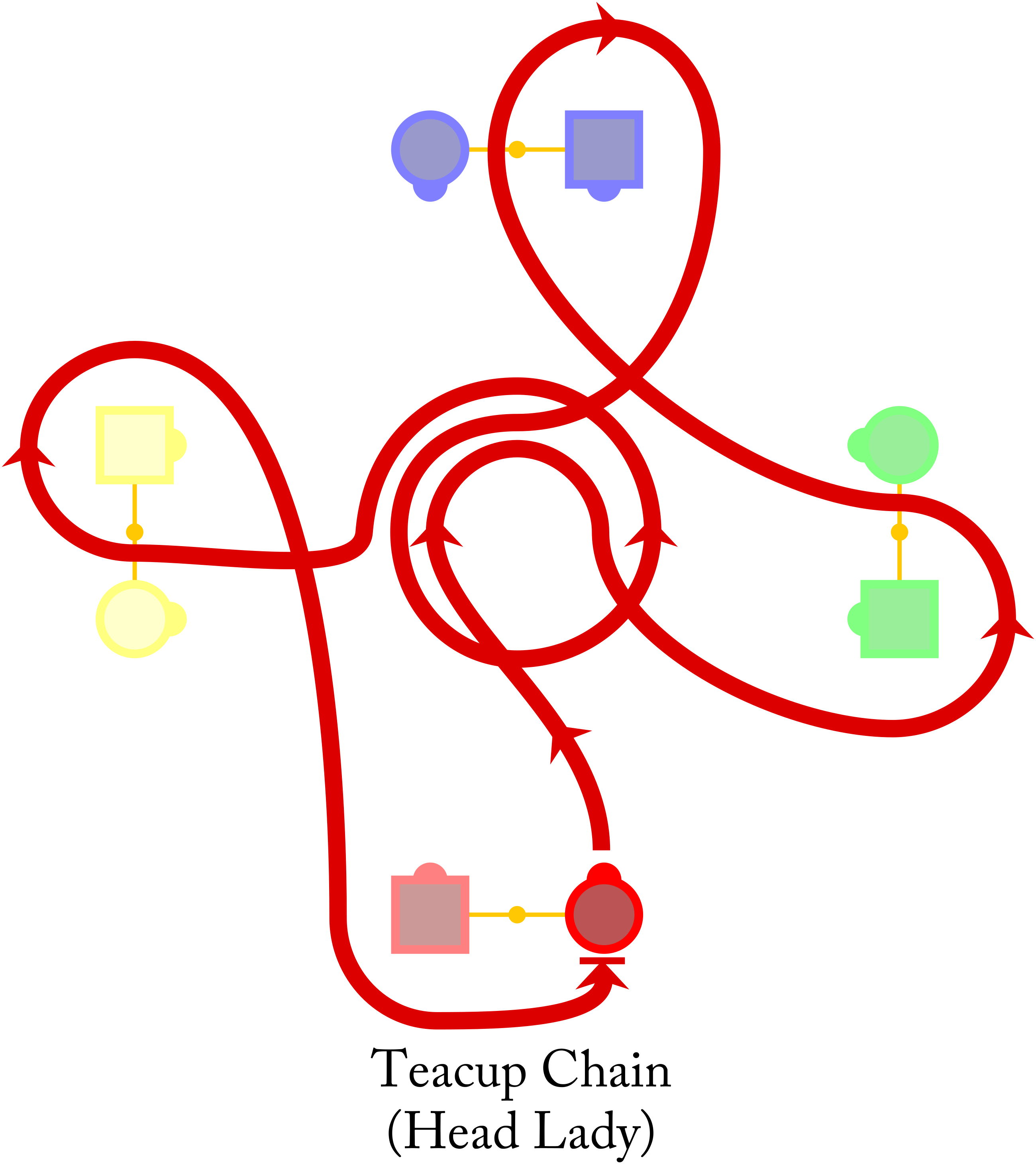
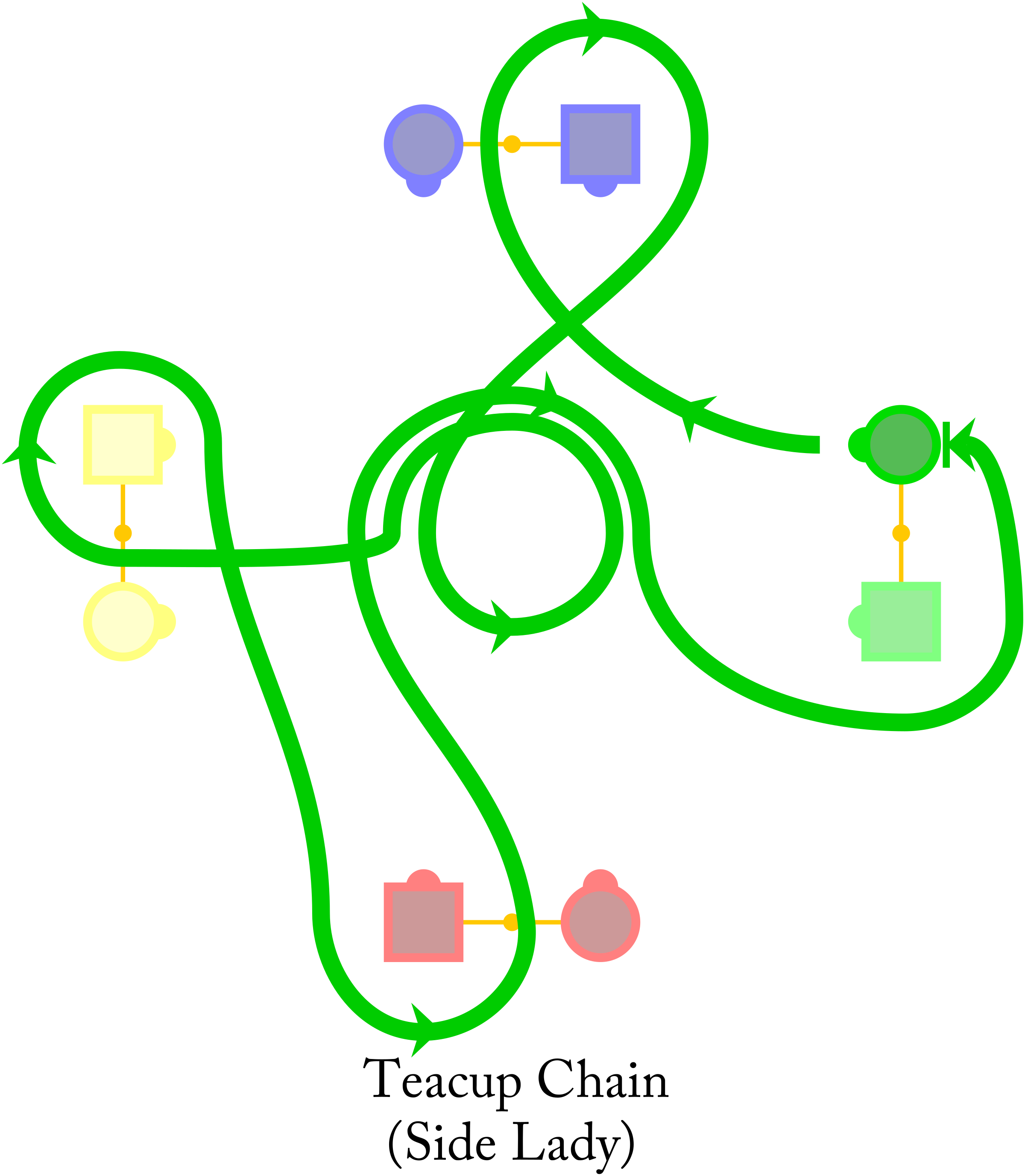
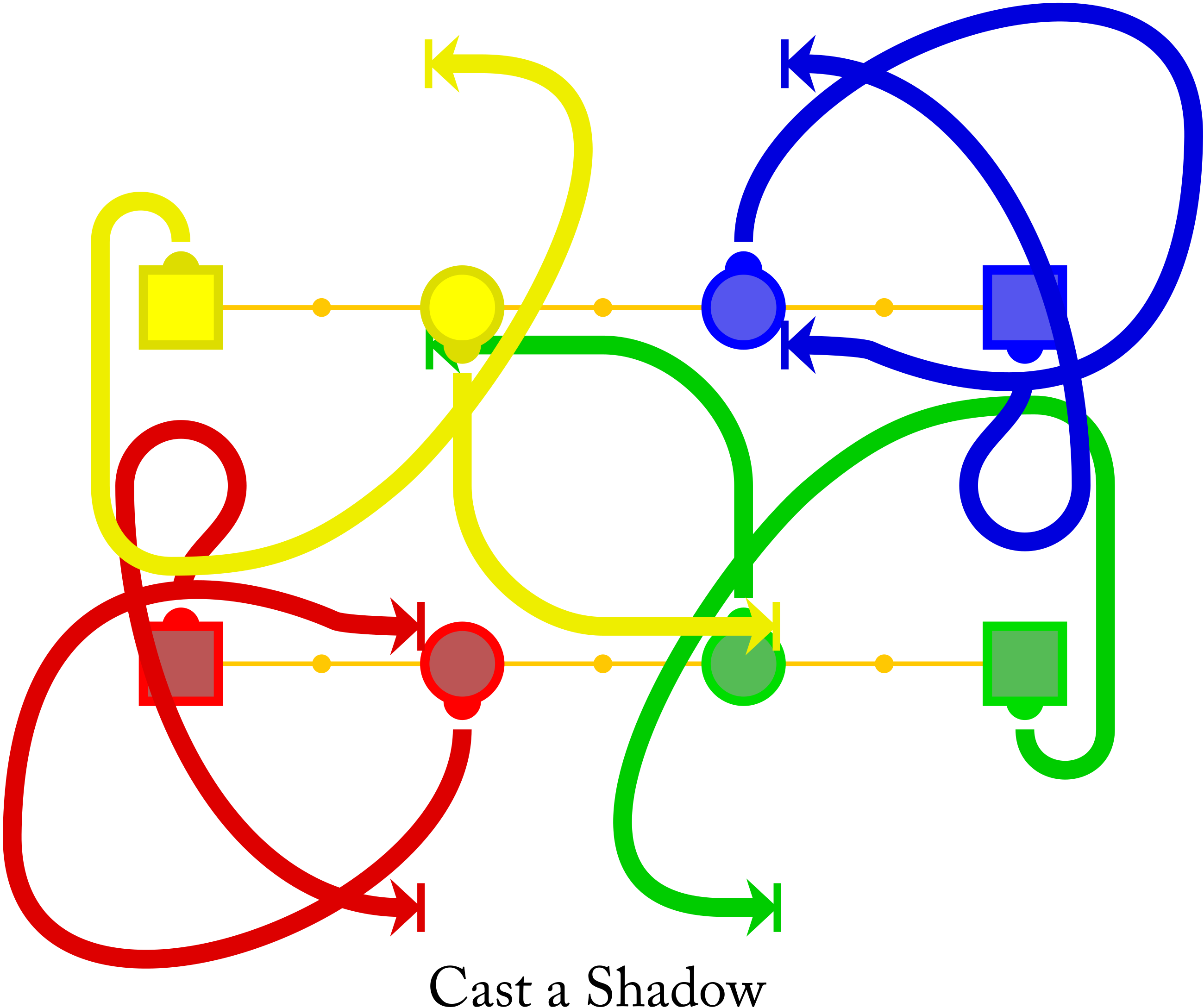

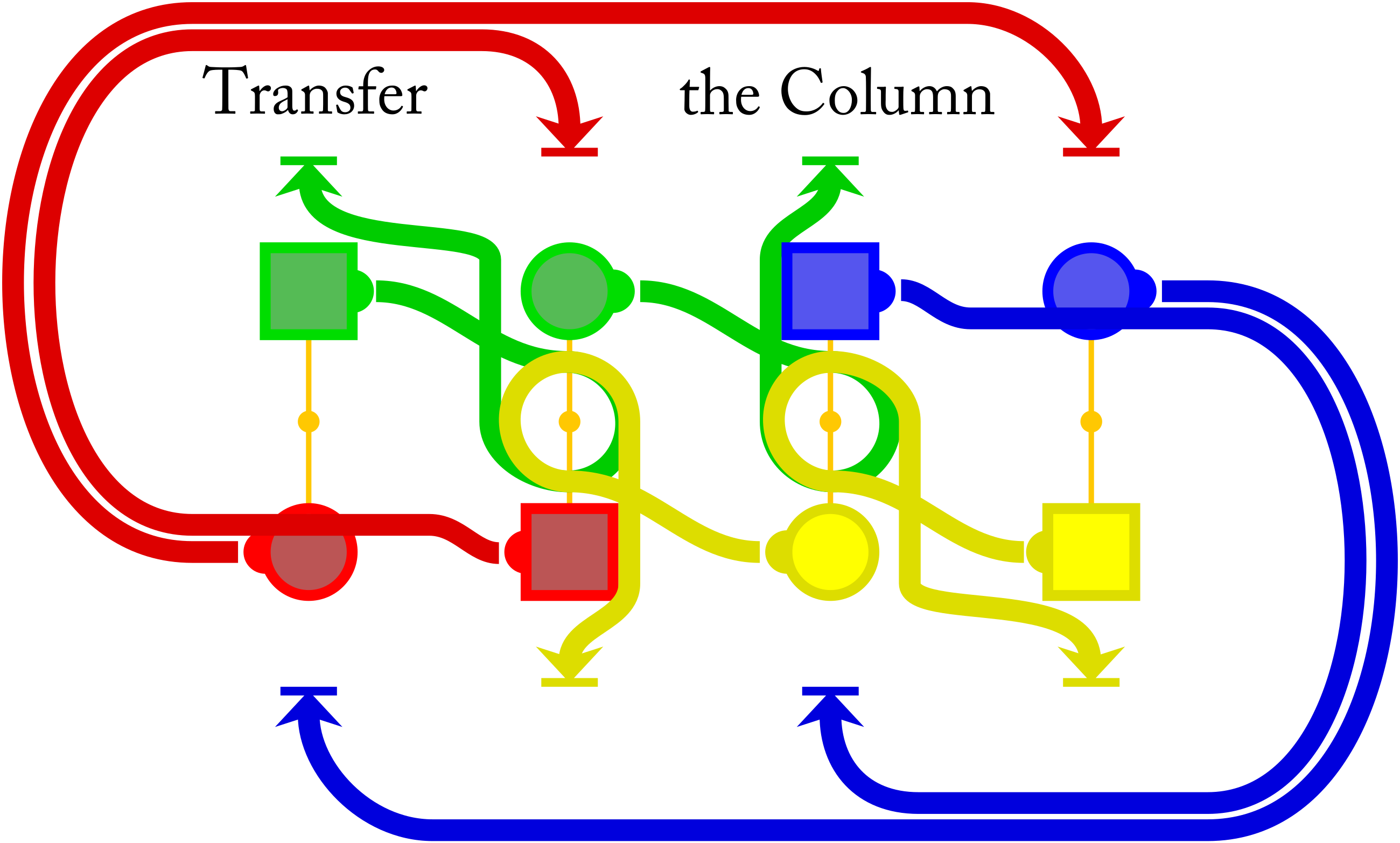
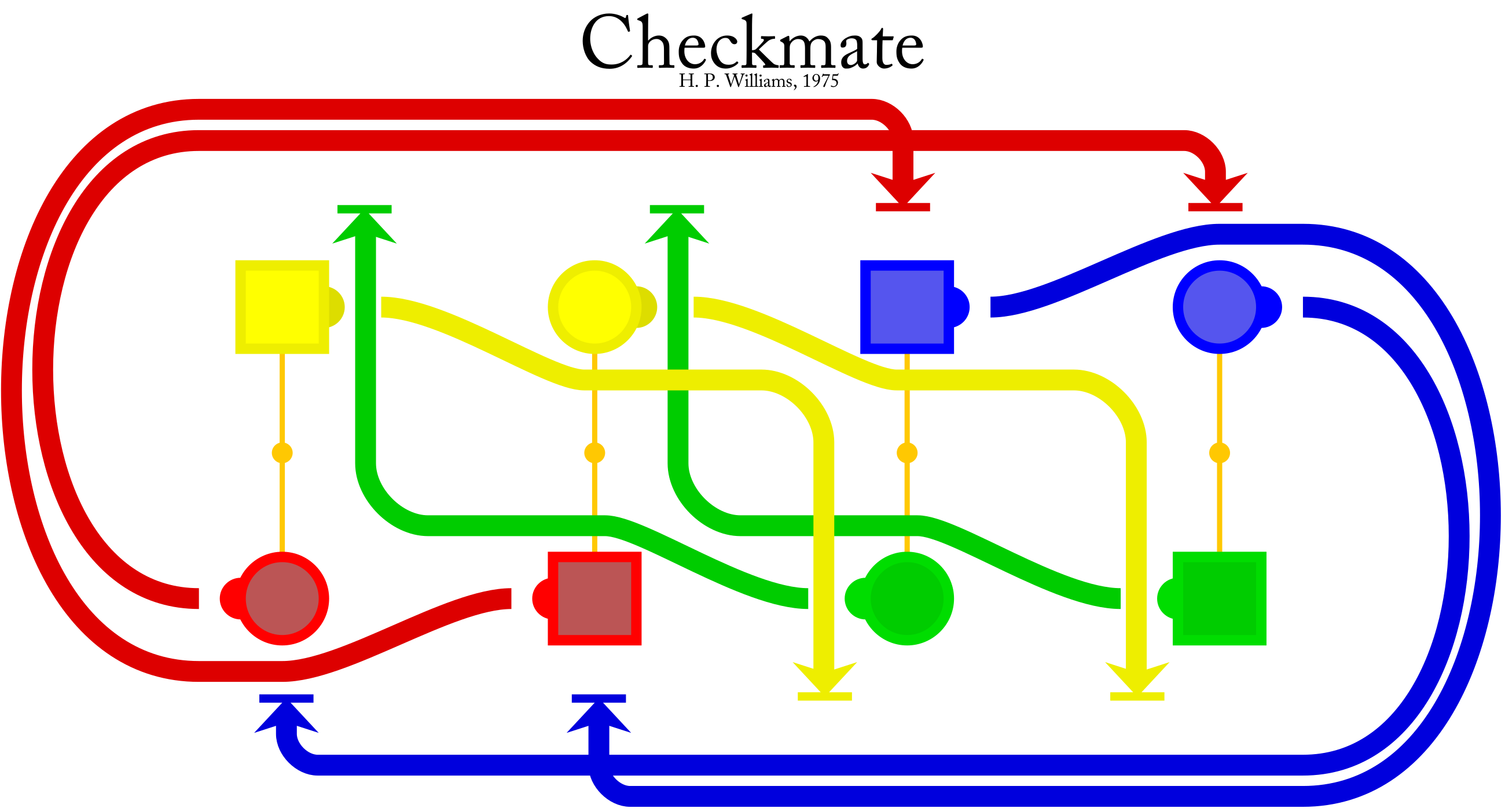

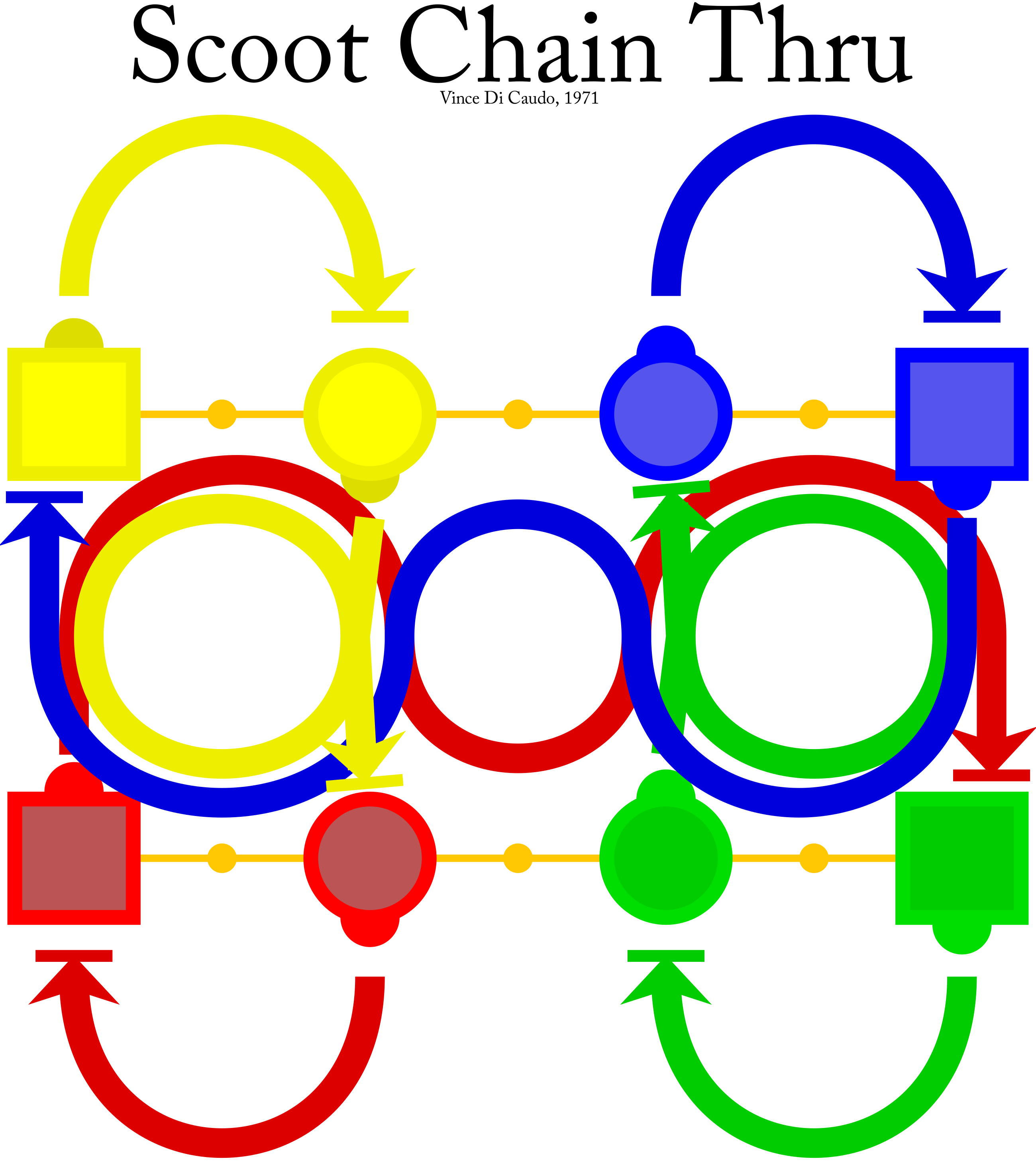
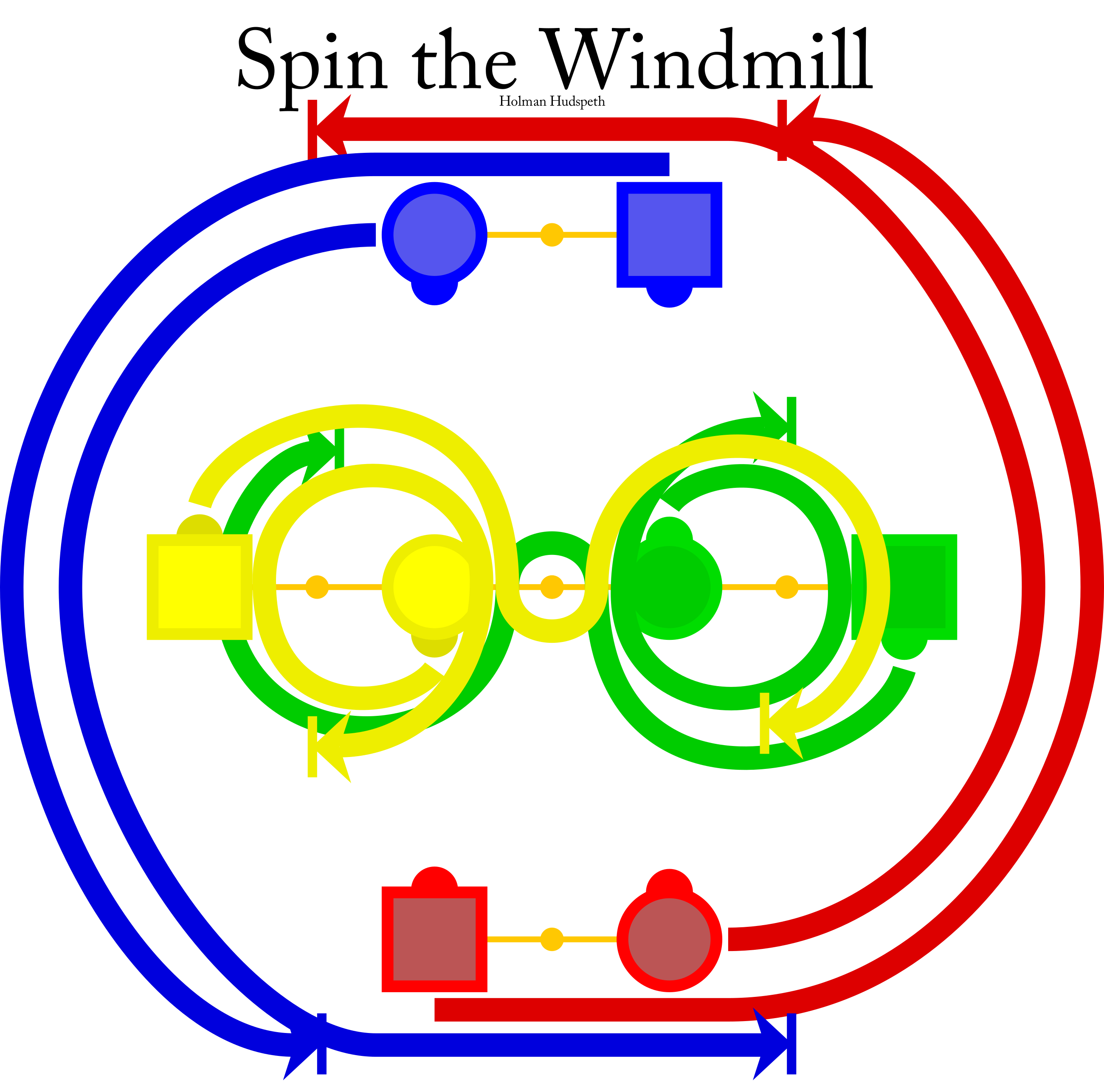
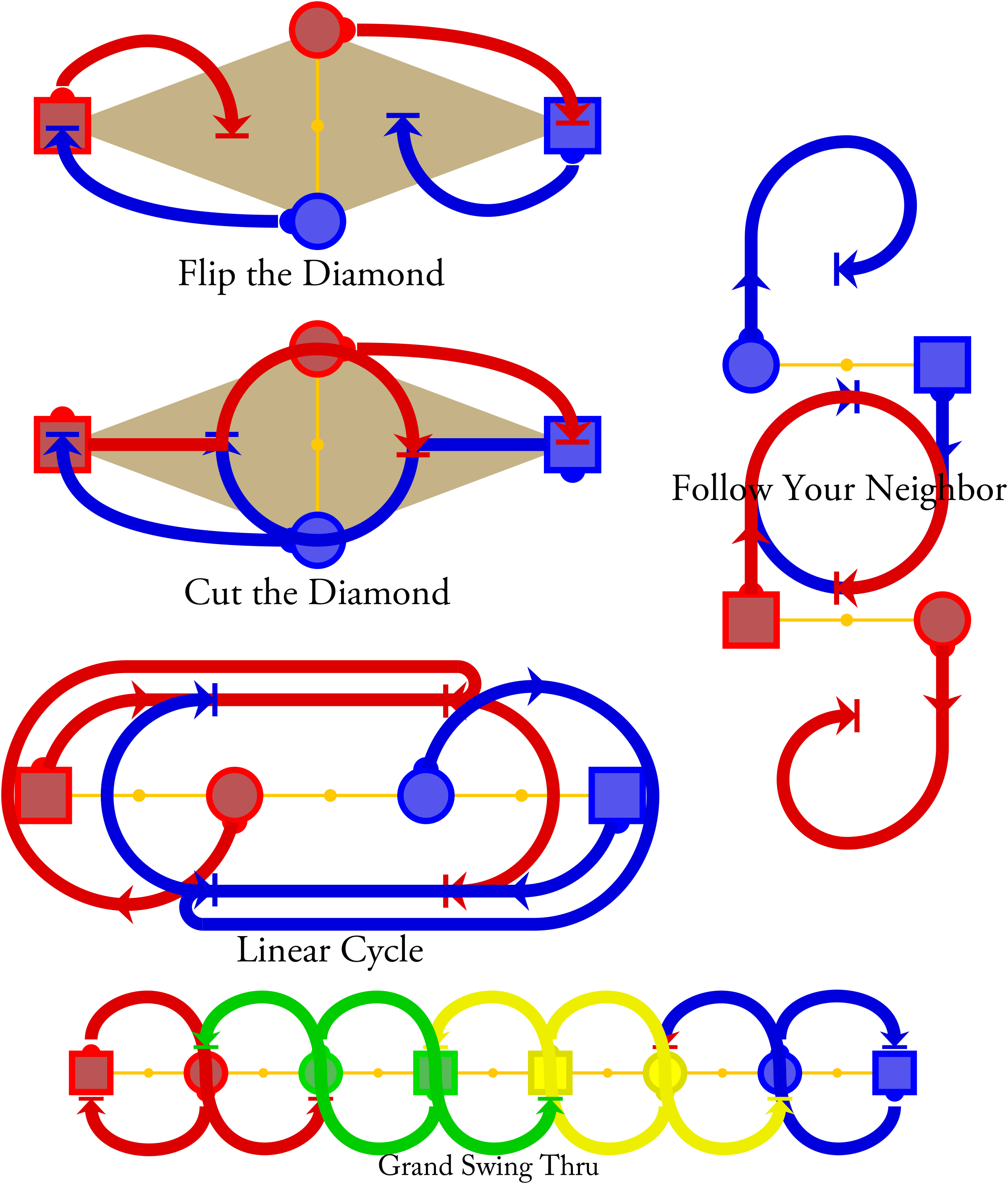
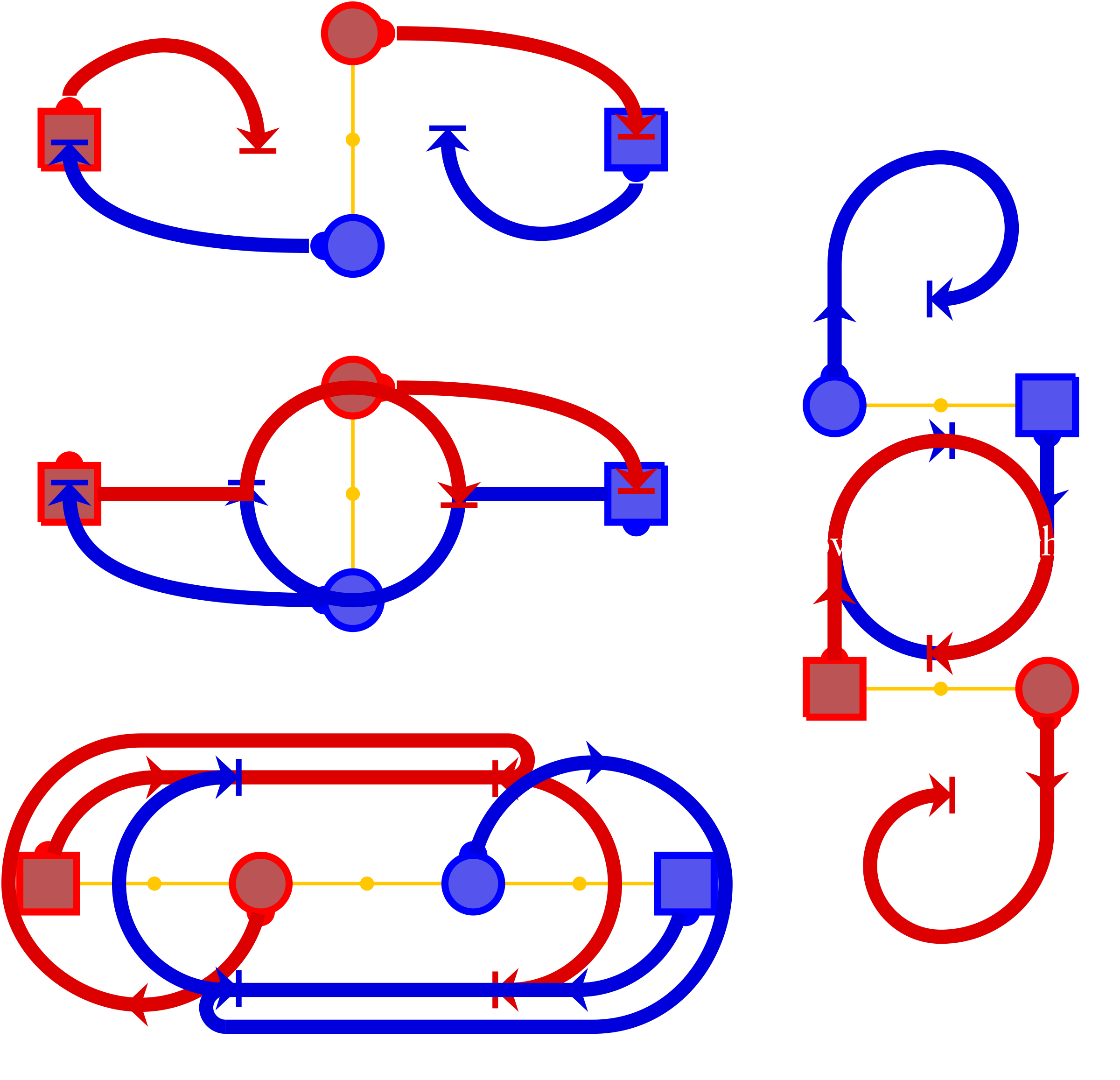
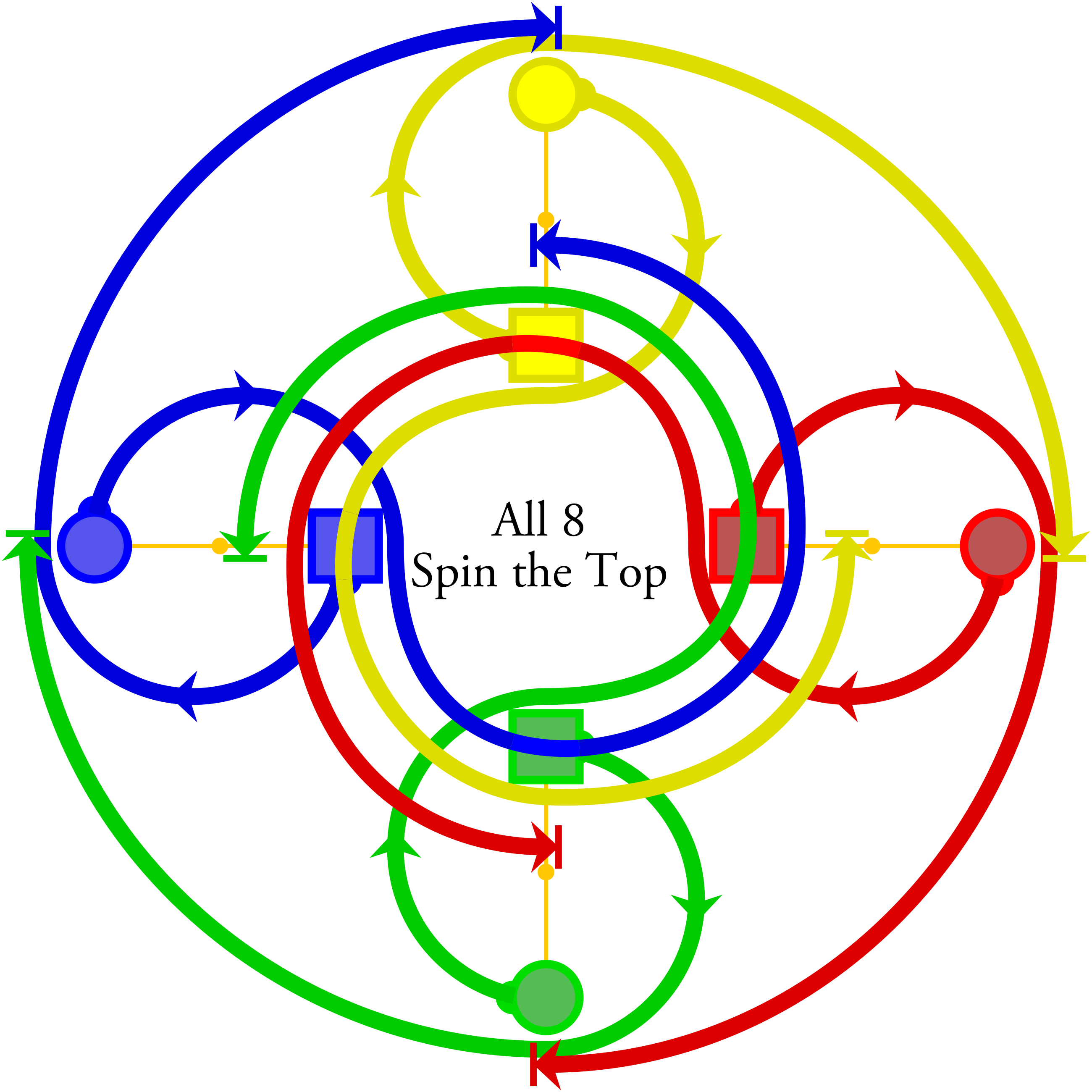
I have been making images showing the movements of various square dance calls, mostly Plus and Advanced level calls, designed to go on teeshirts. This was inspired by the old Tech Squares shirts, which I gather are no longer obtainable. Of course, the ones here have my designs, not theirs.
I don't want to sell teeshirts, but I would be happy to make my designs available to anyone who wants to make their own.
I use an internet based company called Spread Shirt to print shirts on demand. Feel free to use whatever company you like, but my instructions below will be assuming you use Spread Shirt, I assume other companies behave similarly.
Spread Shirt is supposed to print SVG images, but (as of 2024) I have been unable to get that function to work well (the colors come out wrong), so on this page I provide png files. If you want to play with SVG files look at my library of call images which is more extensive than what is here. All of these images contain transparencies, but none contains a more sophisticated use of the alpha channel.
I generally print shirts with an image for the front and one for the back, but of course you may chose only to print one on the front (which is cheaper). Spread Shirt prints at 200dpi and on the front of a men's teeshirt allows an image to be 13 inches wide, and on the back only 12 inches and a bit. So these png files have widths of either 2600 or 2400 pixels. Women's teeshirts have a smaller printable area, but Spread Shirt will let you scale an image smaller.
Spread Shirt's women's tees are surprisingly small, and I've pretty much given up using them, they never seem to fit. Some of my friends like the tank tops instead (which have an even smaller printable area).
Your first choice is what kind of shirt and what color you want. I find their basic "Men's T-Shirt" perfectly adequate, and that the designs show up against khaki colored backgrounds (at least for my color blind eyes).
Download whatever images from this page you wish, and then upload them onto Spread Shirt, select them and apply one to the front and one to the back of your shirt. Then scale the image to fill as much of the printable area as you wish.
In the following I display a picture of an image on a shirt, if you click on it you should go to the image itself.
I started this page with a few plus calls, and it has grown. I now have several other tee shirt pages for different styles of dance.