Neighbor Allemande Left
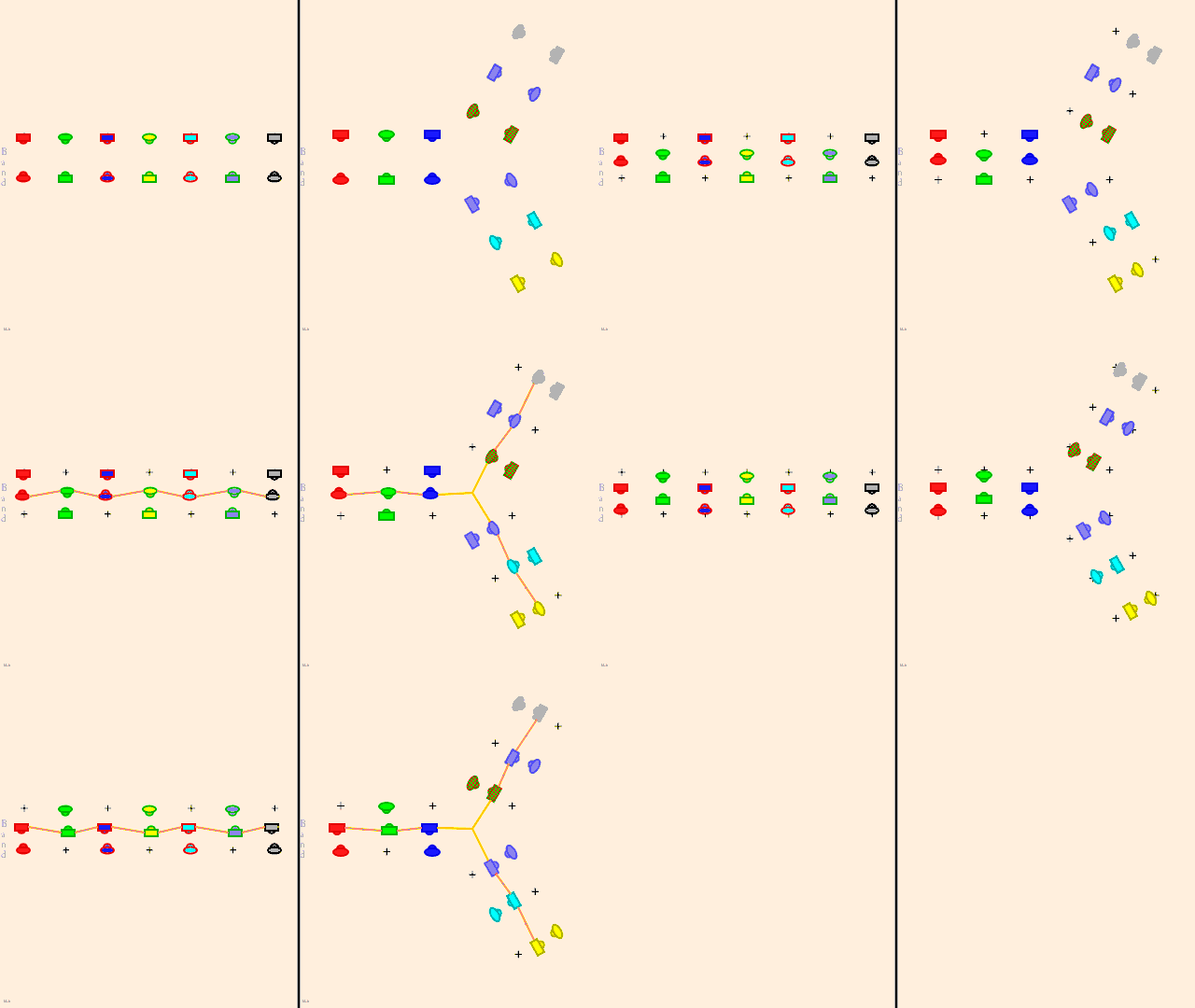
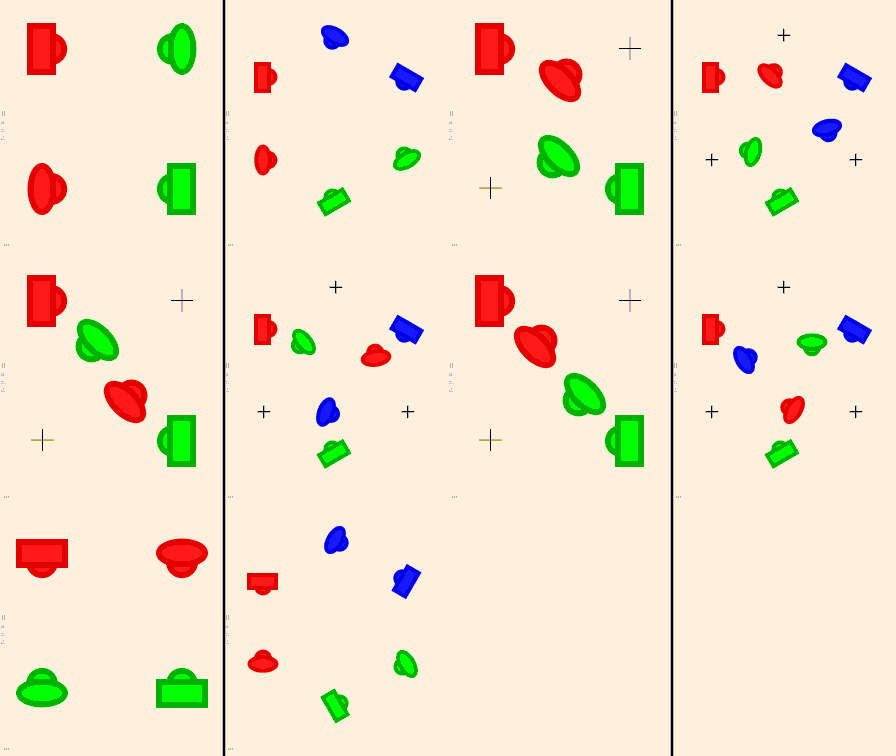
Clark Baker has suggested modifying standard improper symetrical duple minor contra lines so that three of them can meet at an intersection. Hex squares has already provided a way of modifying normal rectilinear calls so that they work at 60º degree angles.
Simplifying, this means that if a figure crosses the center of the minor set then that figure is modified so that it only goes 2/3s of the way you'd expect. A circle left once around will only go 2/3s of the way around. A circle left three quarters will only go half way round.
On the other hand in figures that have two dancers in adjacent spots interacting then they will perform the figure as they normally would, except at an unusual angle.
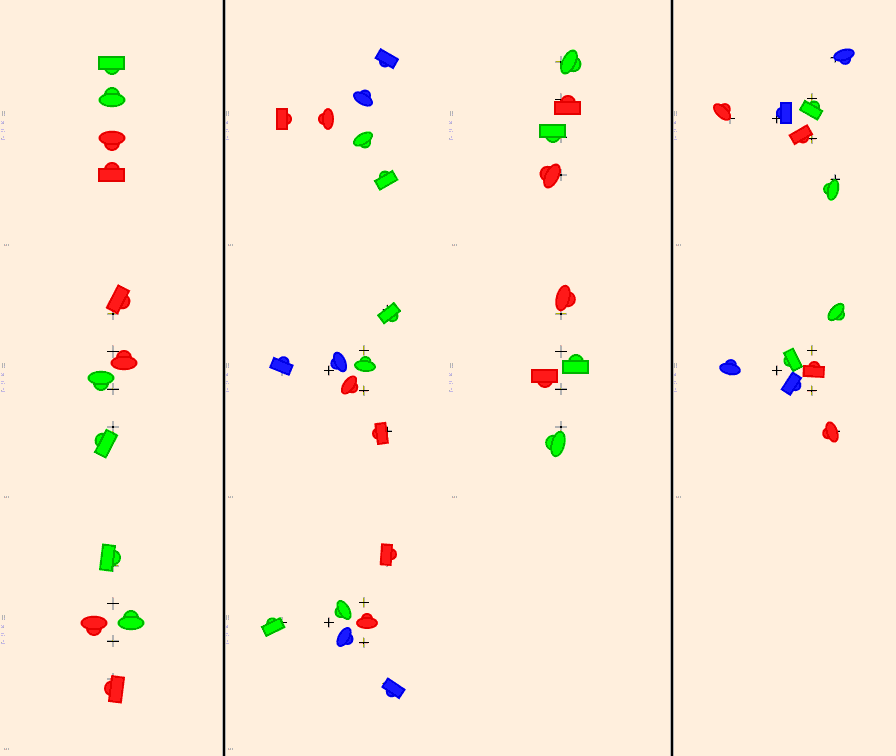
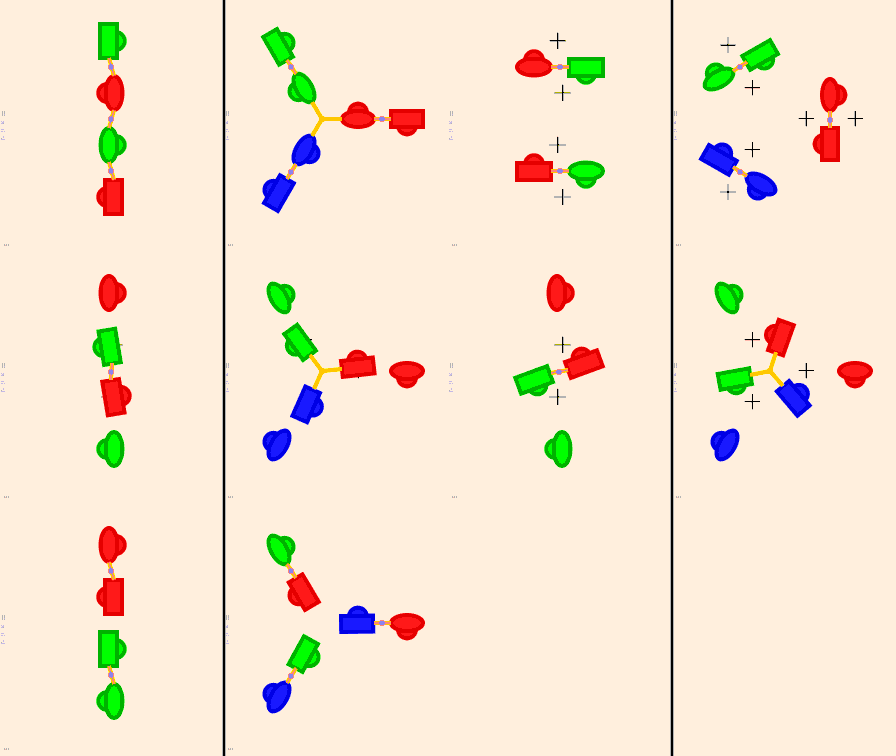
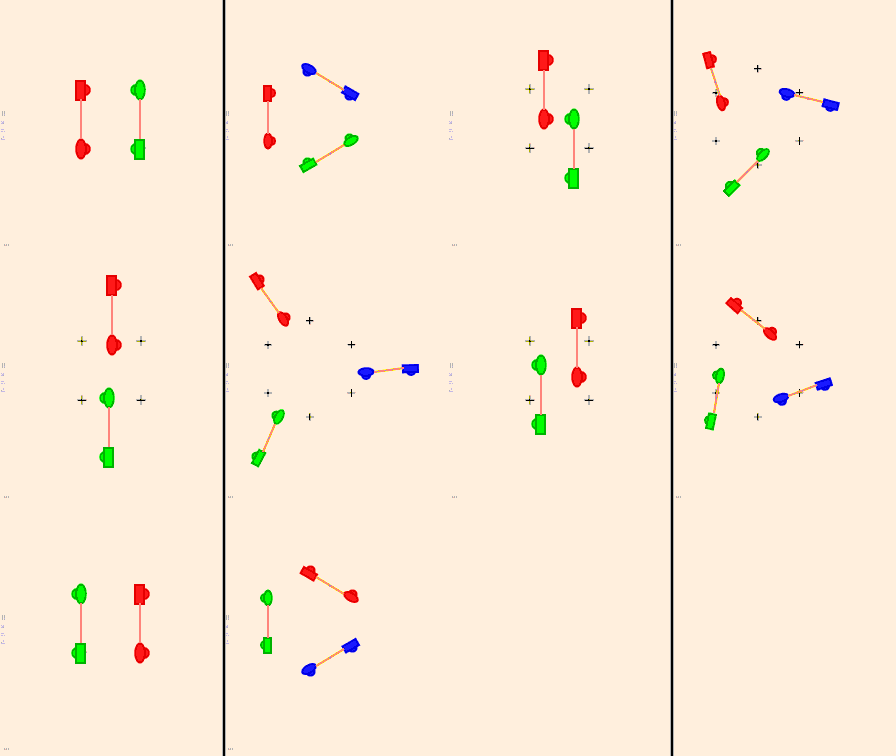
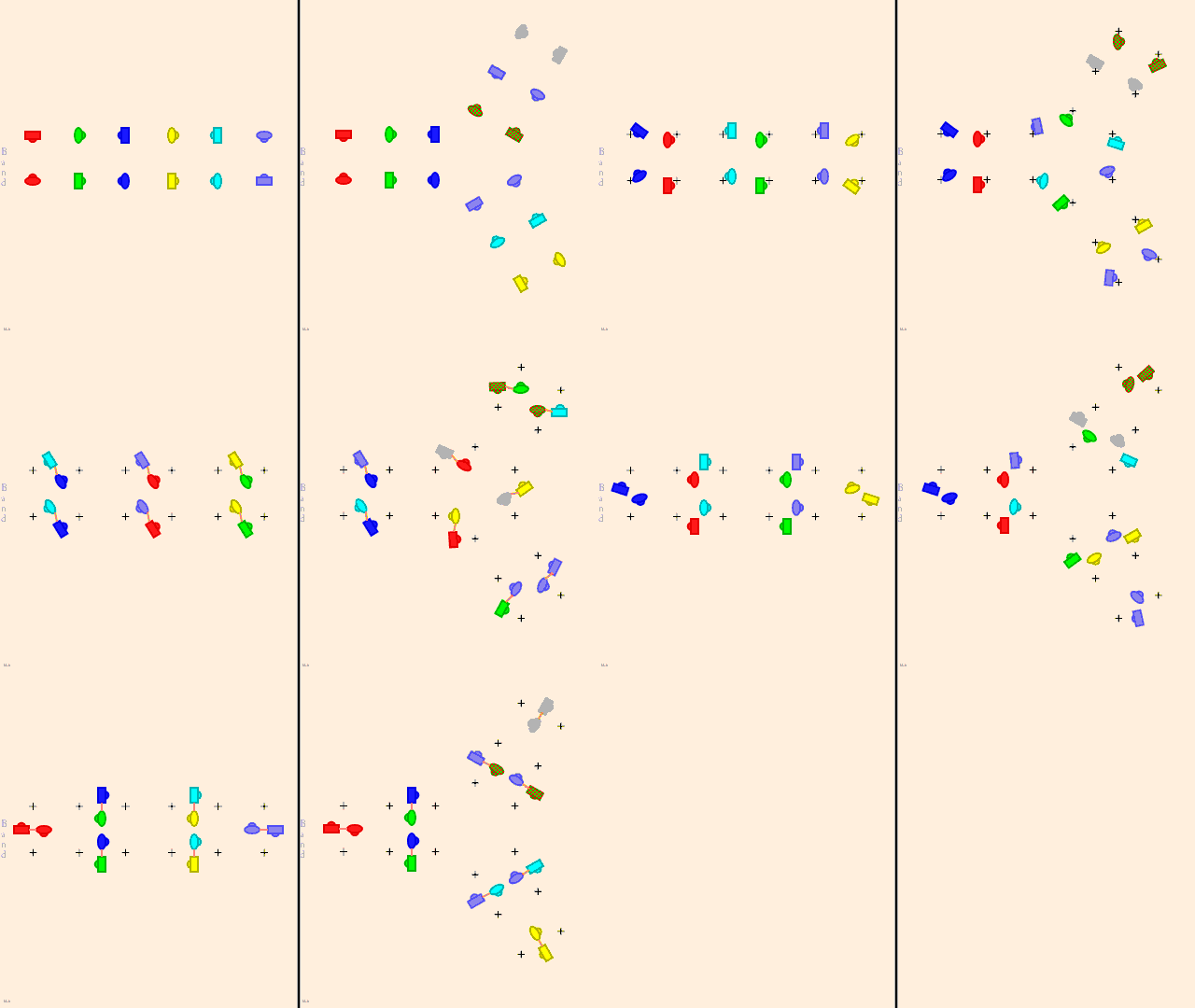
Here I try to present various standard figures both as they appear in a duple minor set, and in three way junction.
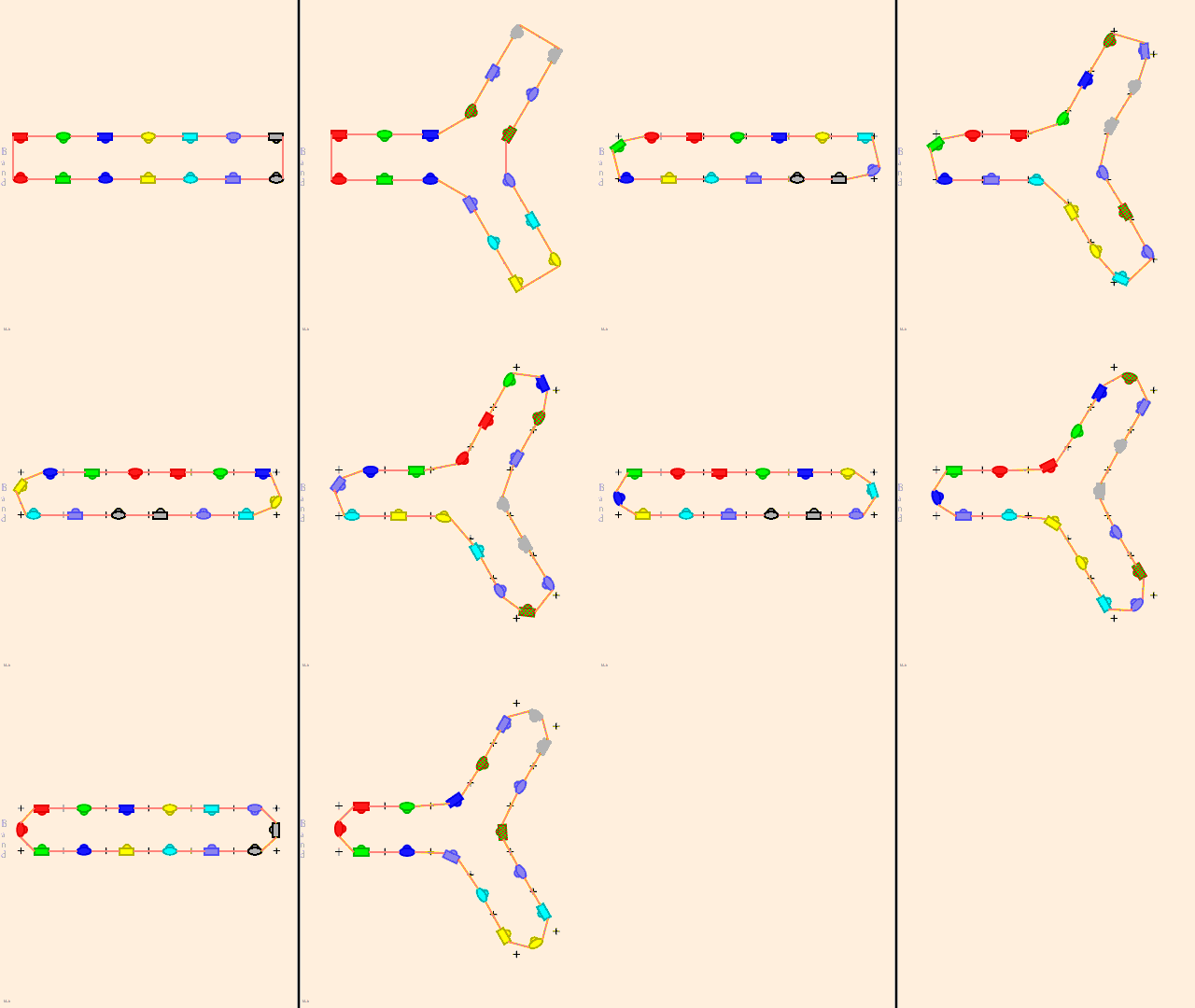
Contra has a few figures where everyone in the line is part of the same formation. The most common of these is "Long lines forward and back". But we also can take hands in a big oval, or do a grand right and left like figure... These also can be adapted to this style of dancing.
Some common figures, for instance "Line of four lead down the hall" or "Contra Corners" are not included here. That is because the 1s and 2s must do different things, and that doesn't work at a junction.
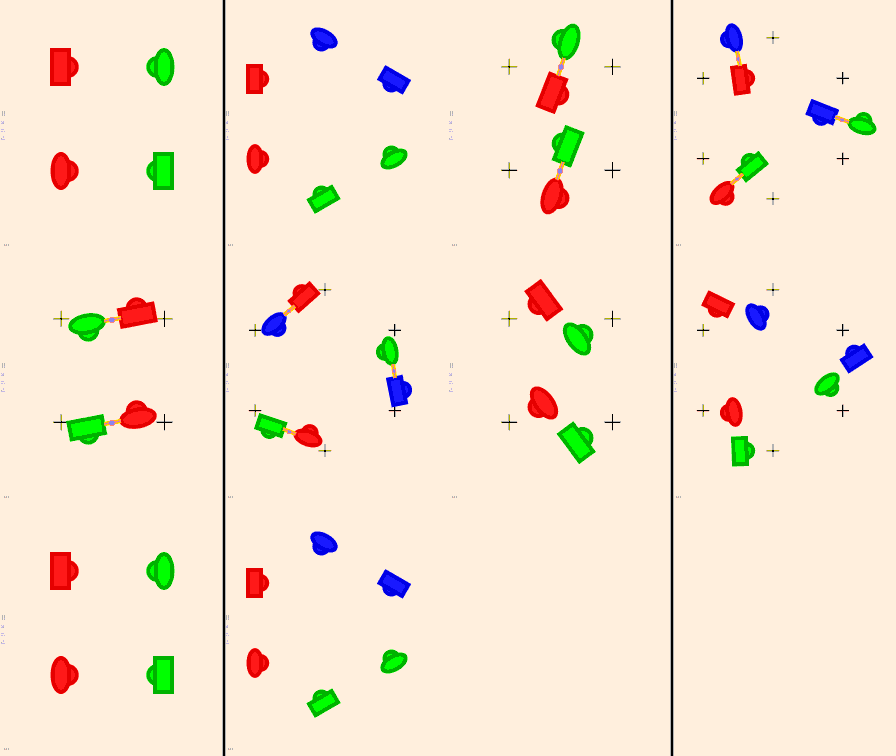
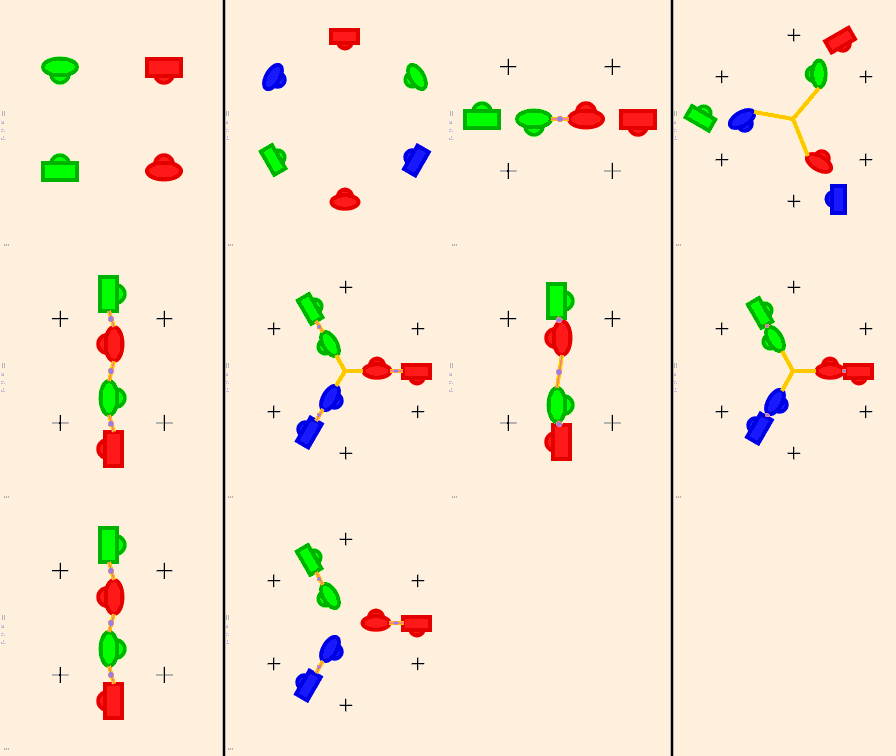
When you allemande your partner, or your neighbor, you might look for him or her at a different angle, but the call is essentially the same. But when you have both men (or both women) allemanding with each other across the center then things behave unexpectedly. In this case an allemande left once and a half across the center actually leaves you where you started.
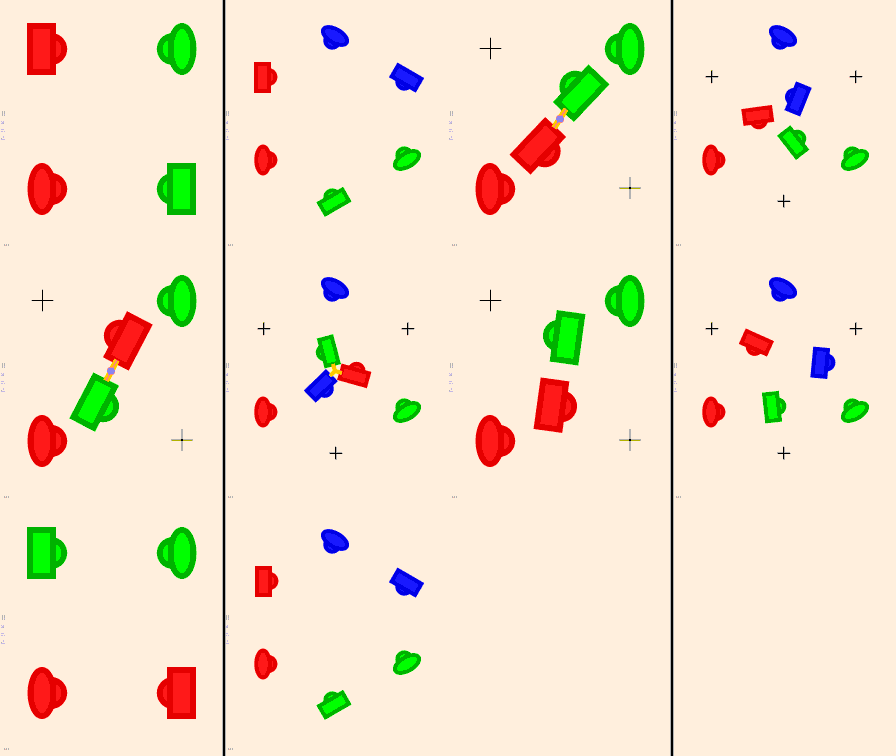
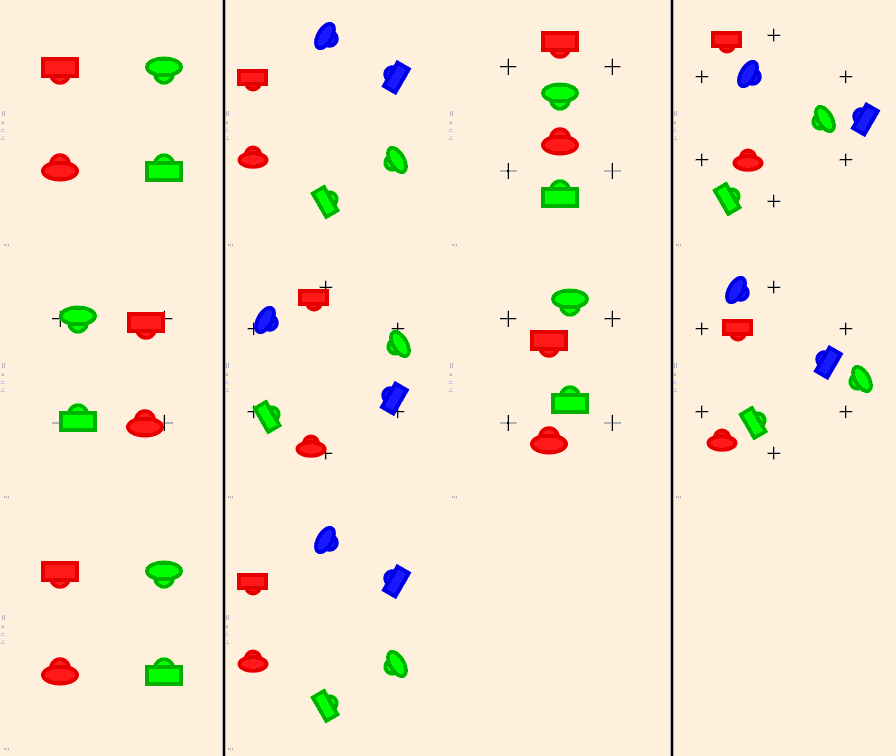
This call only works on the side of the set, not across the center, so it works as expected.

This call only works on the side of the set, not across the center, so it works as expected.
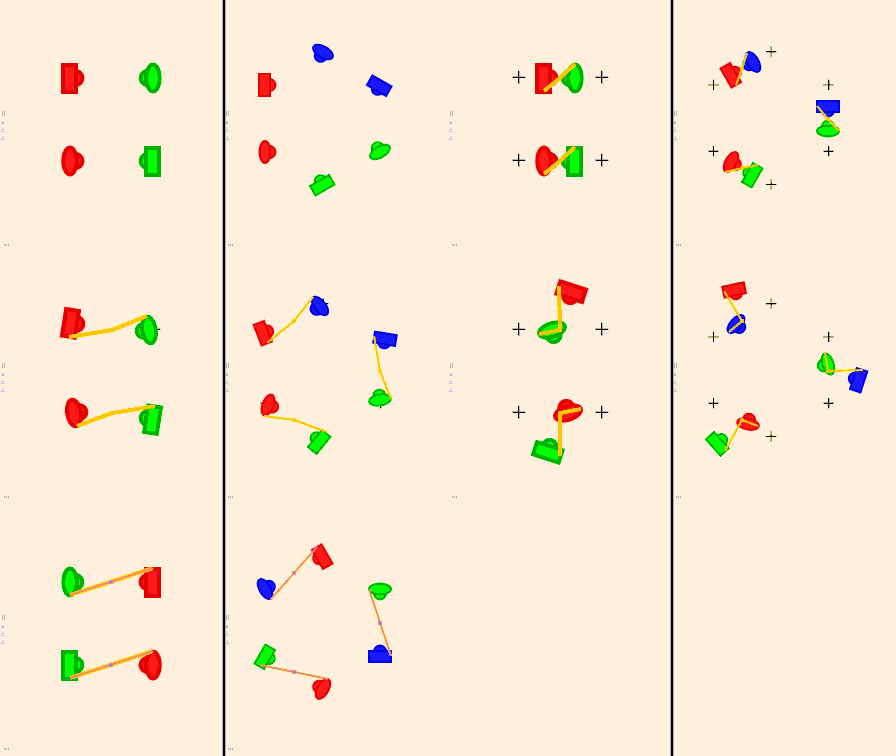
This call only works on the side of the set, not across the center, so it works as expected.
Neighbor balance and swing
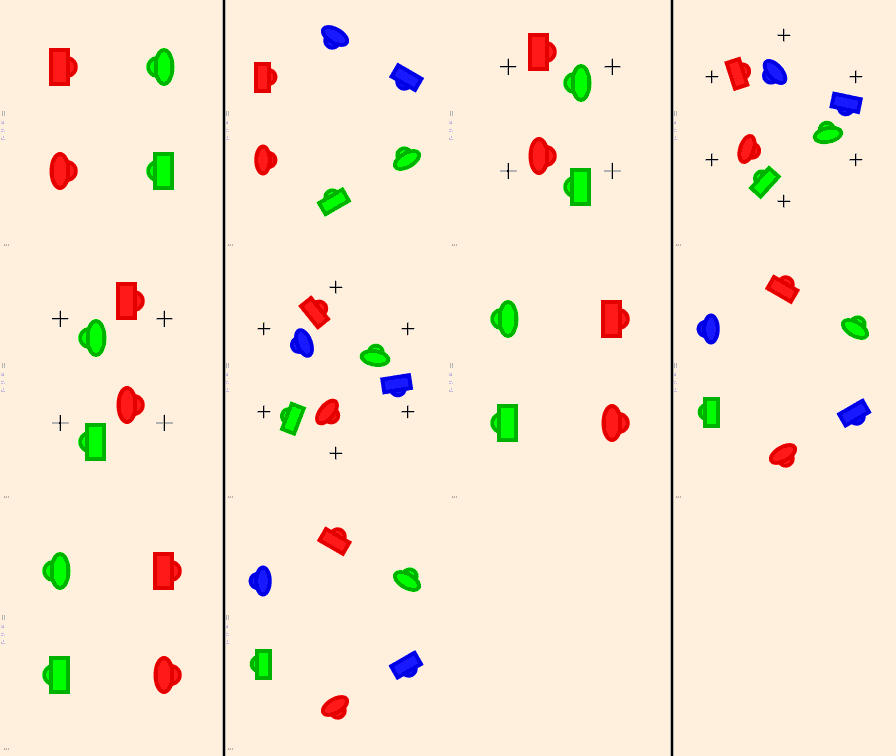
You can't do a California Twirl with your same sex neighbor, so this one behaves as expected.
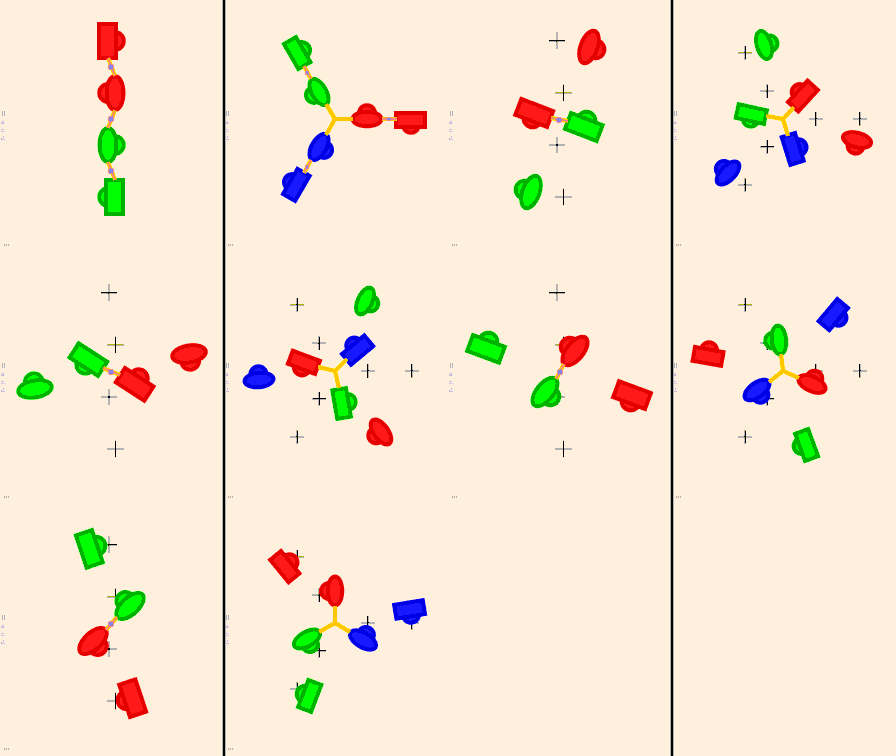
Partner allemande right (1), men allemande left three quarters as women orbit one quarter (3), Partner allemande right (1), women allemande left three quarters as men orbit a quarter.
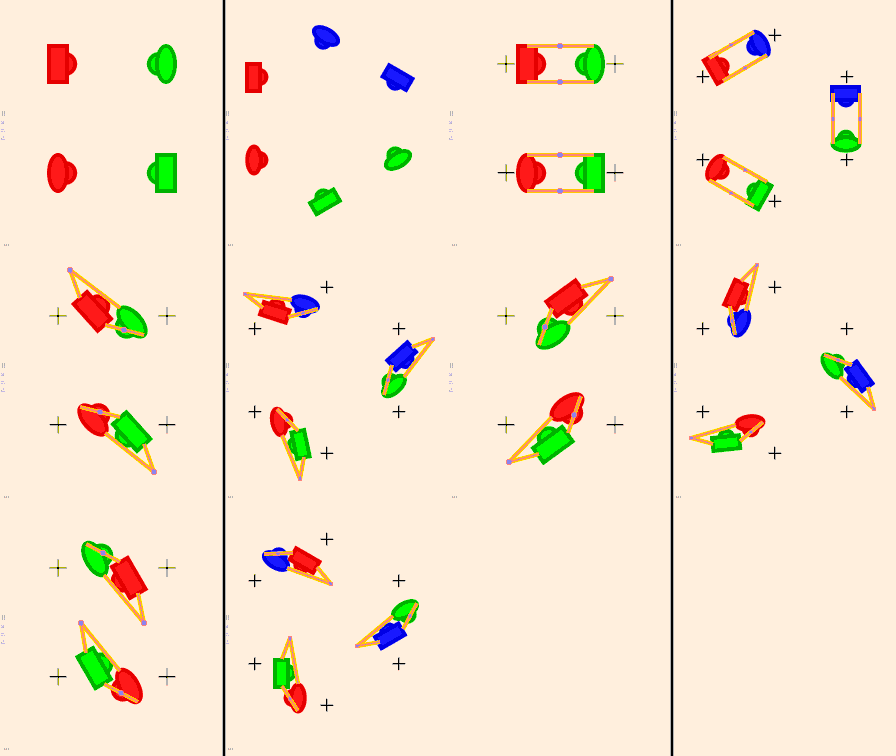
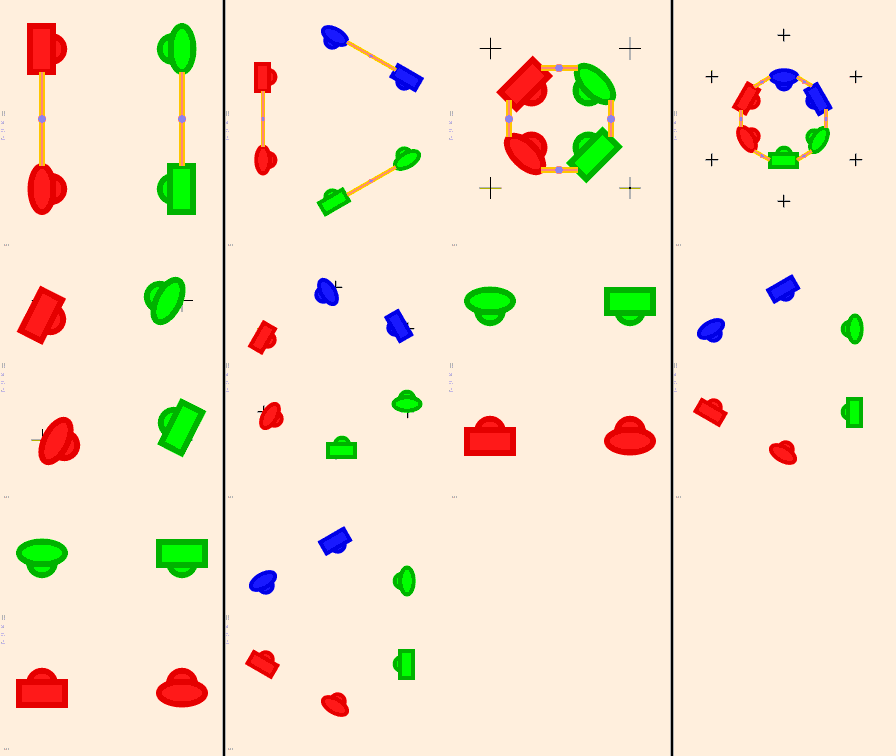
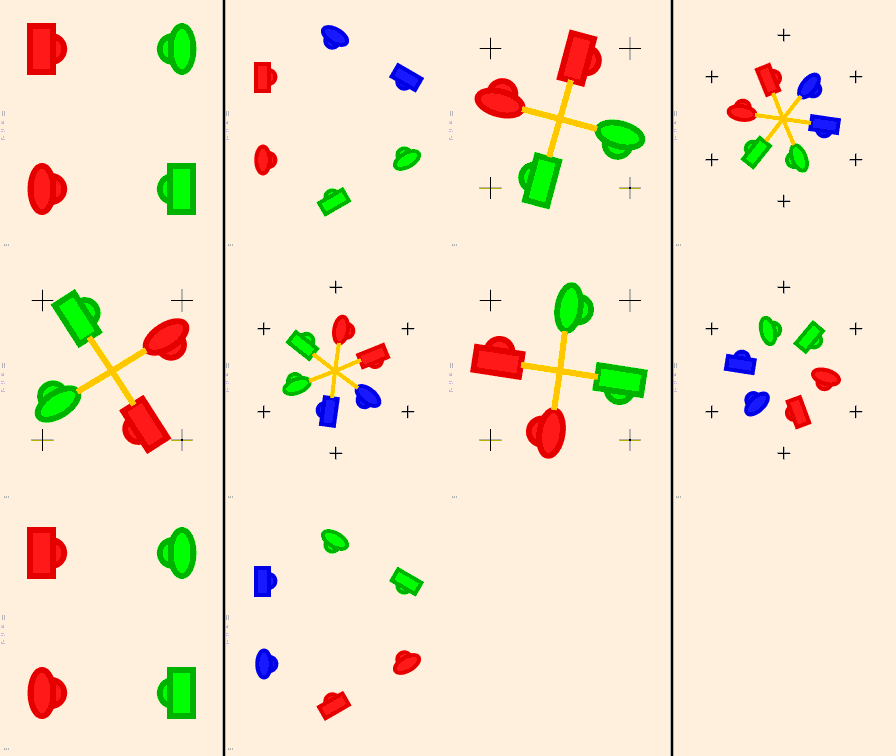
A four person circle will always go across the center of the set. So circle left once around will only go two thirds of the way, and circle left three quarters only goes halfway.
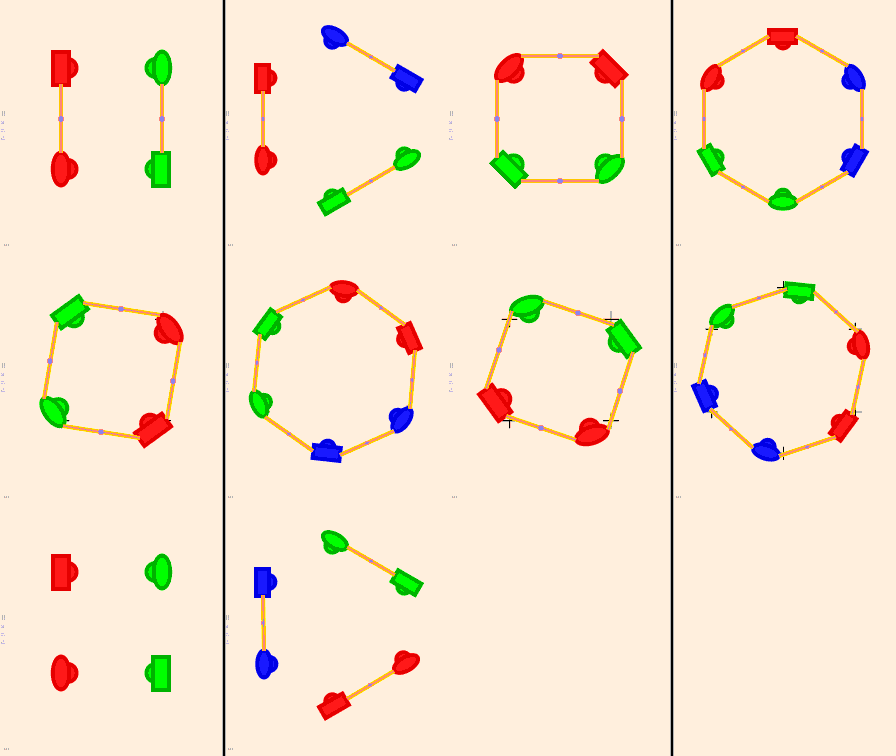
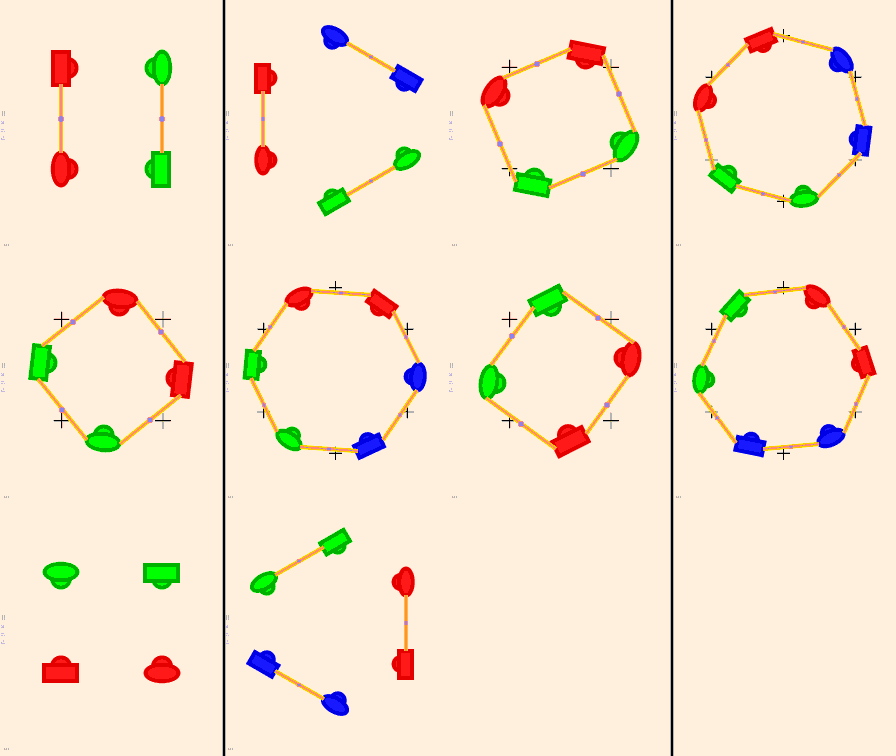
As with Allemande this can be done either with a person beside you, or with the person diagonally across the center from you. In the first case everything behaves as it normally does (but at a weird angle), in the second case you only go two thirds as far.
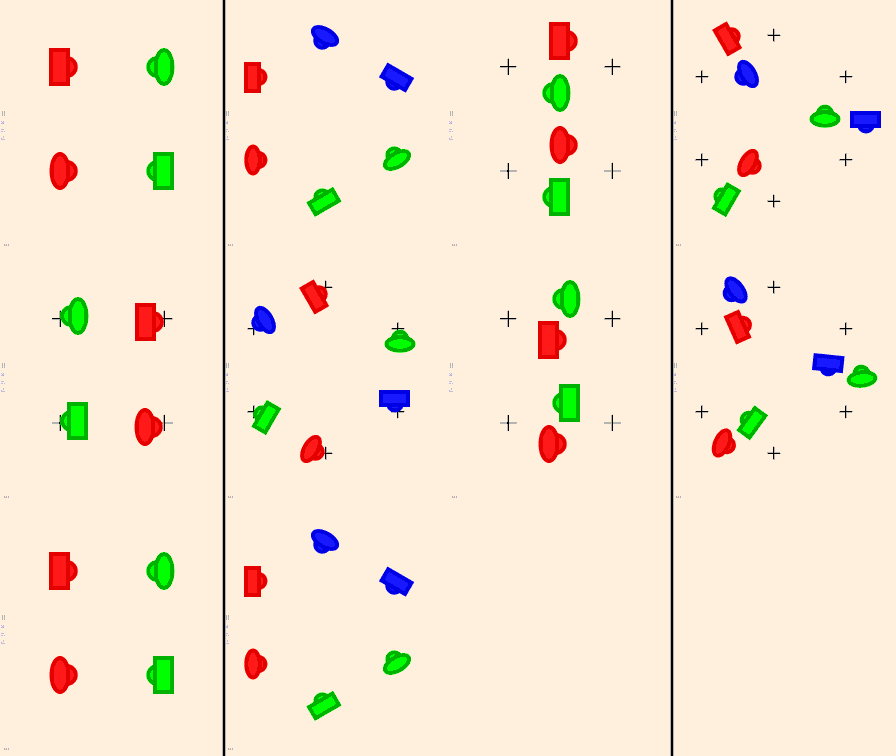
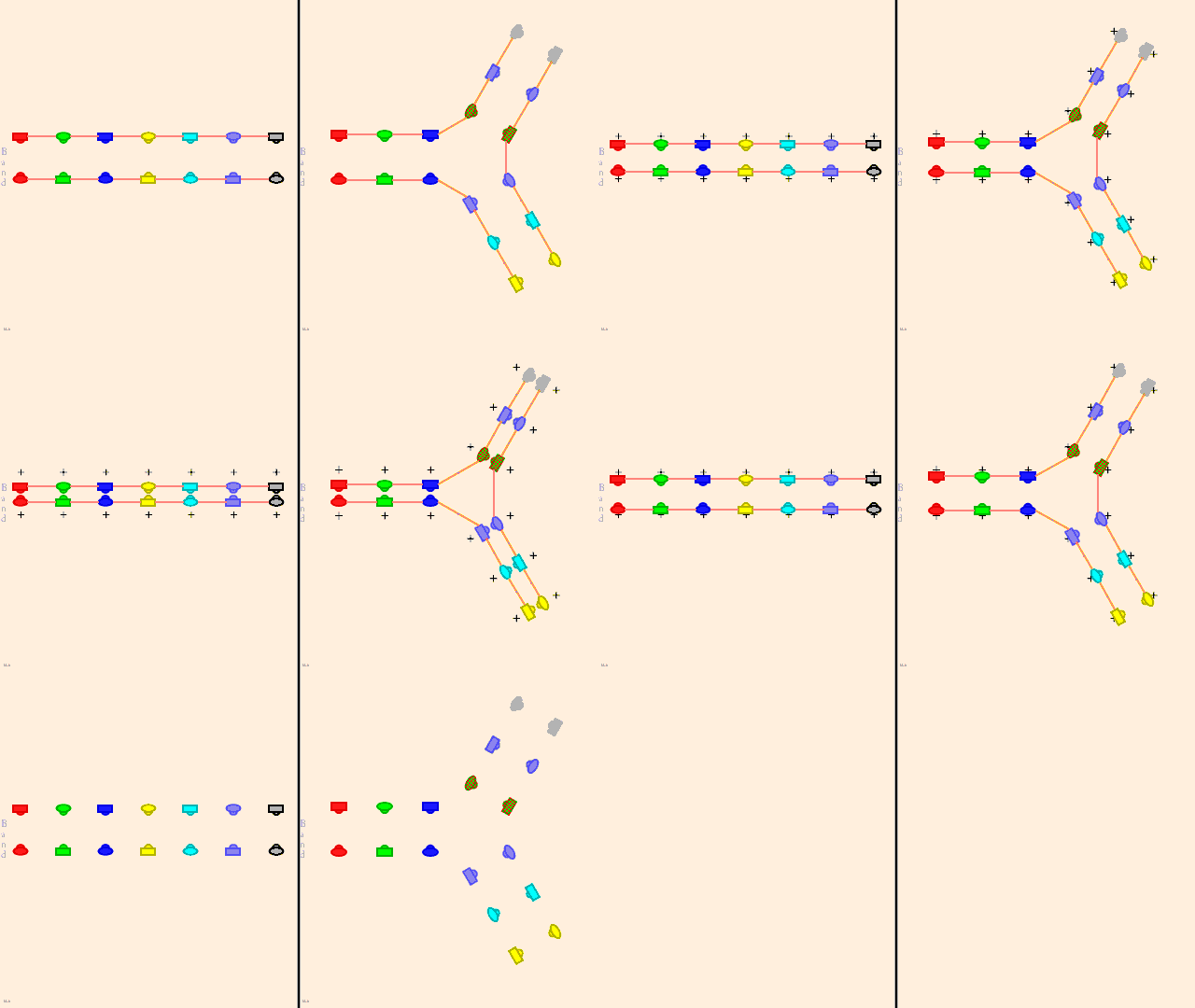
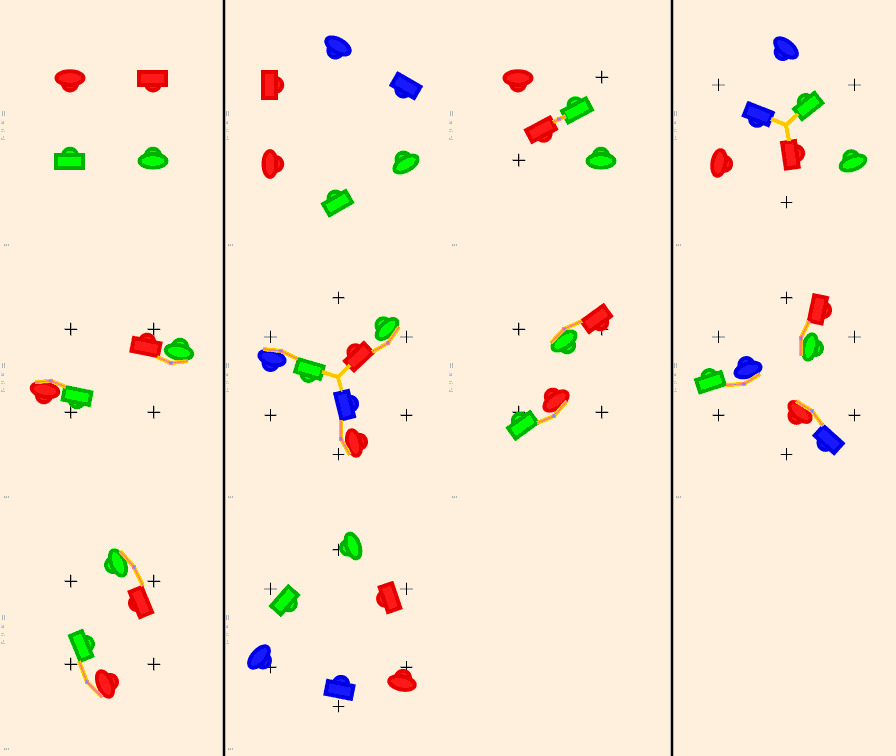
A hey always crosses the center. The starting formation in a three way junction is not a line across the set, but a Y. Dancers travel up and down the various branches of the Y.
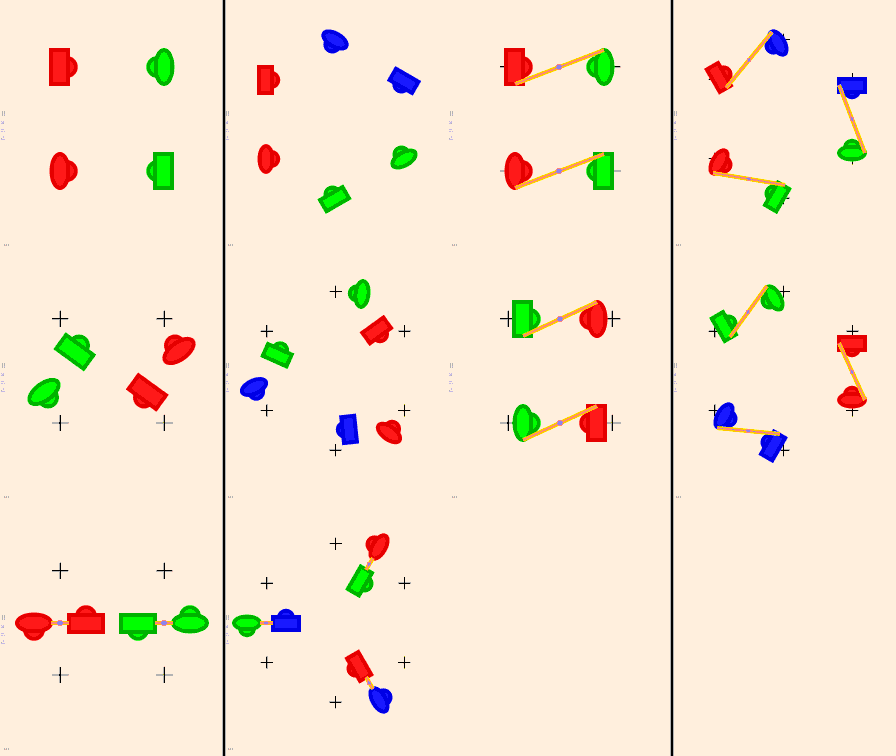
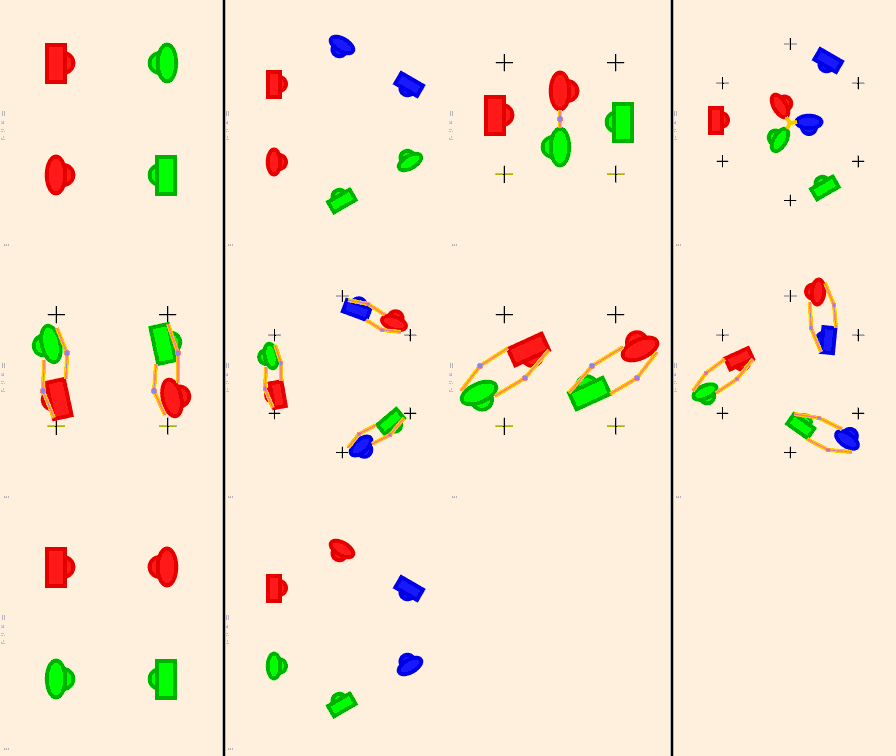
This turns facing couples into a Y rather than a line across the set.
Note that you are separated from your partner.
Balance the ring and petronella turn.
The poussette needs a little turn in the middle, rather like a Scottish poussette. I present a full poussette even though I only know of modern contras which do half poussettes.
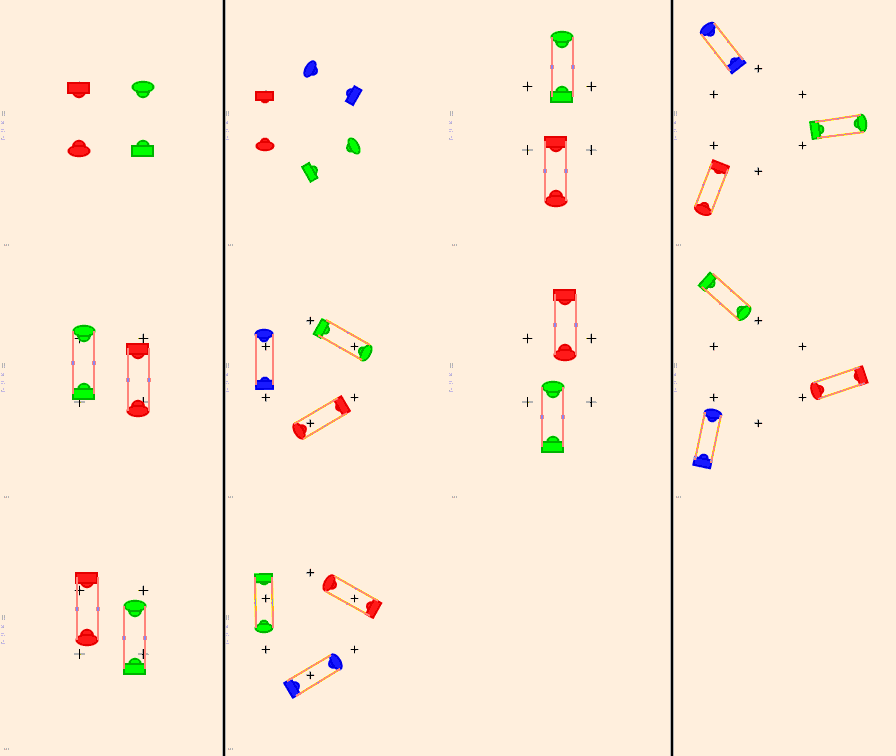
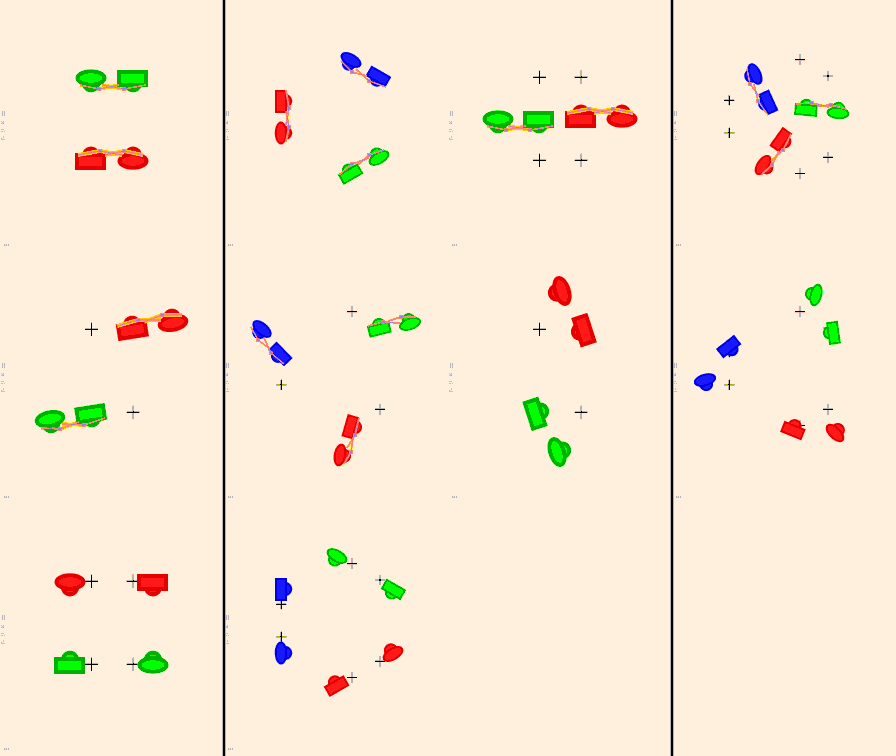
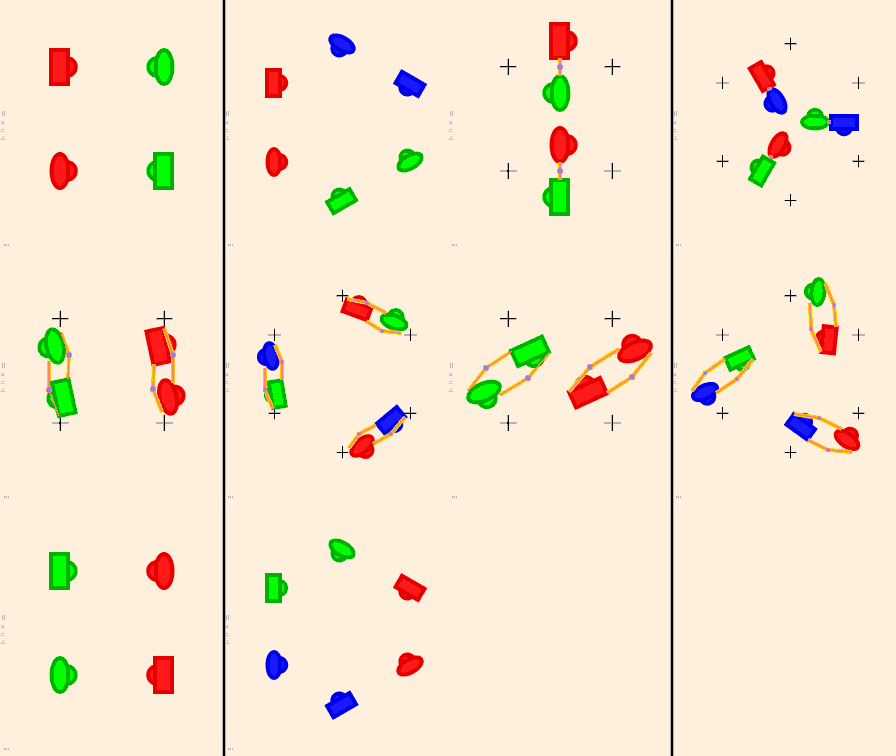
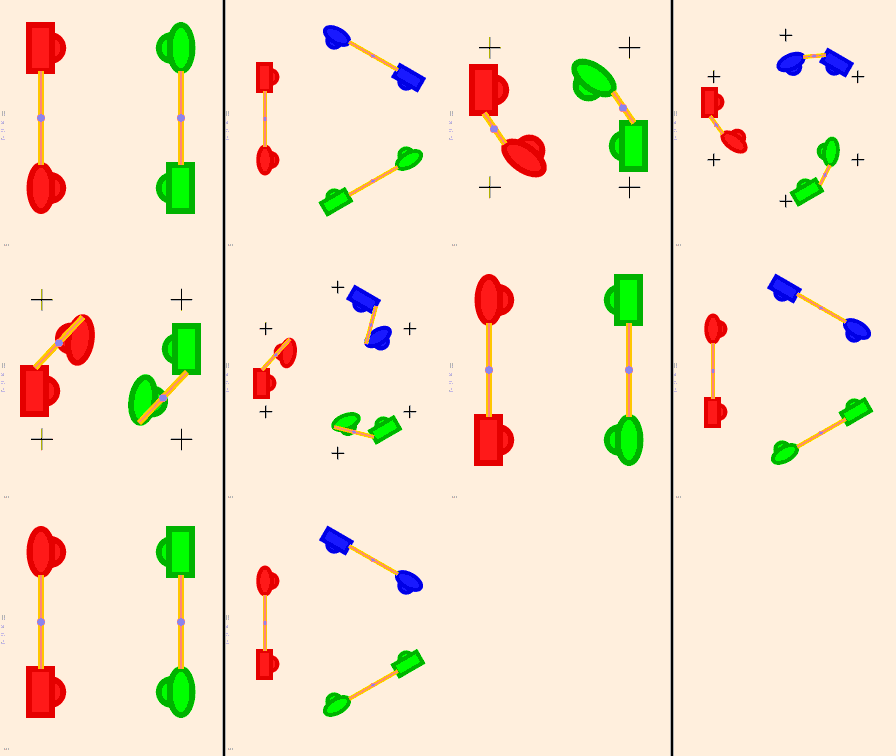
In the old dance, Rory O' More, dancers are in a wavy line. They balance the wave, then spin one place right forming a new wave, balance again, and spin back.
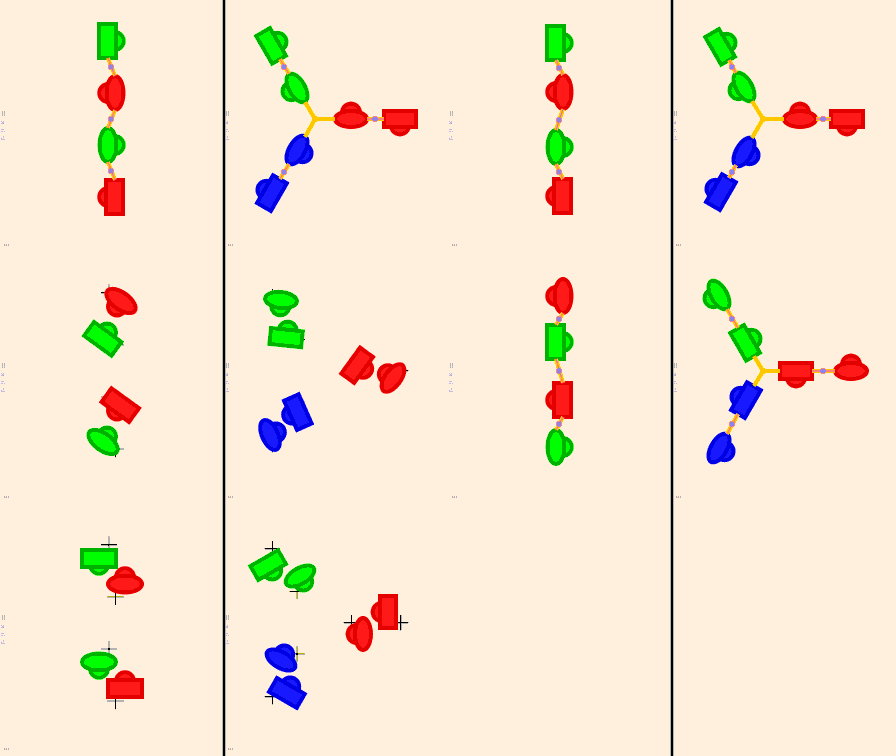
As with Allemande this can be done either with a person beside you, or with the person diagonally across the center from you.
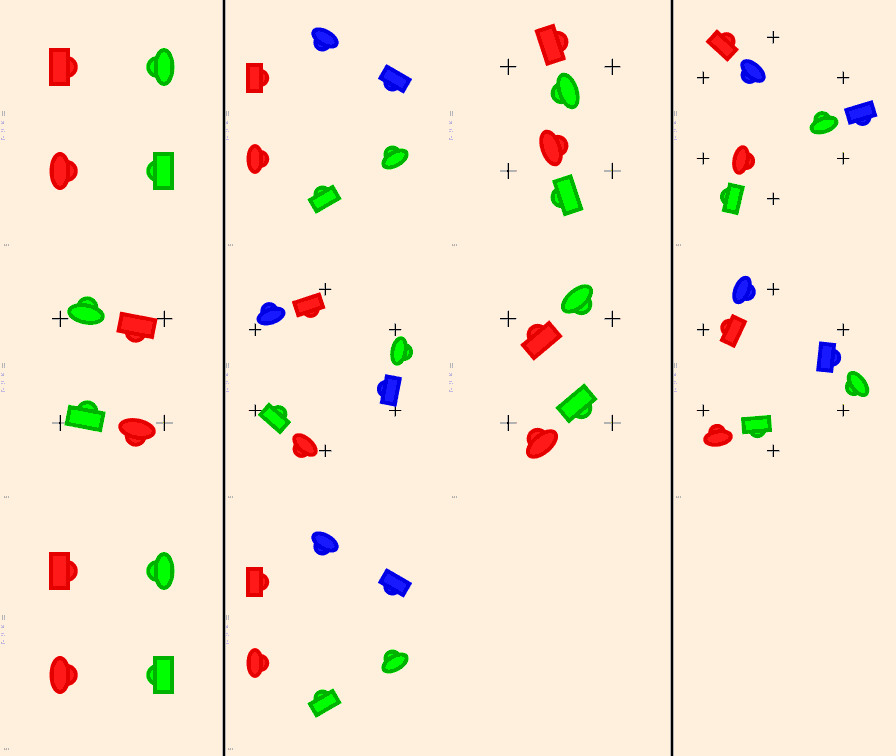
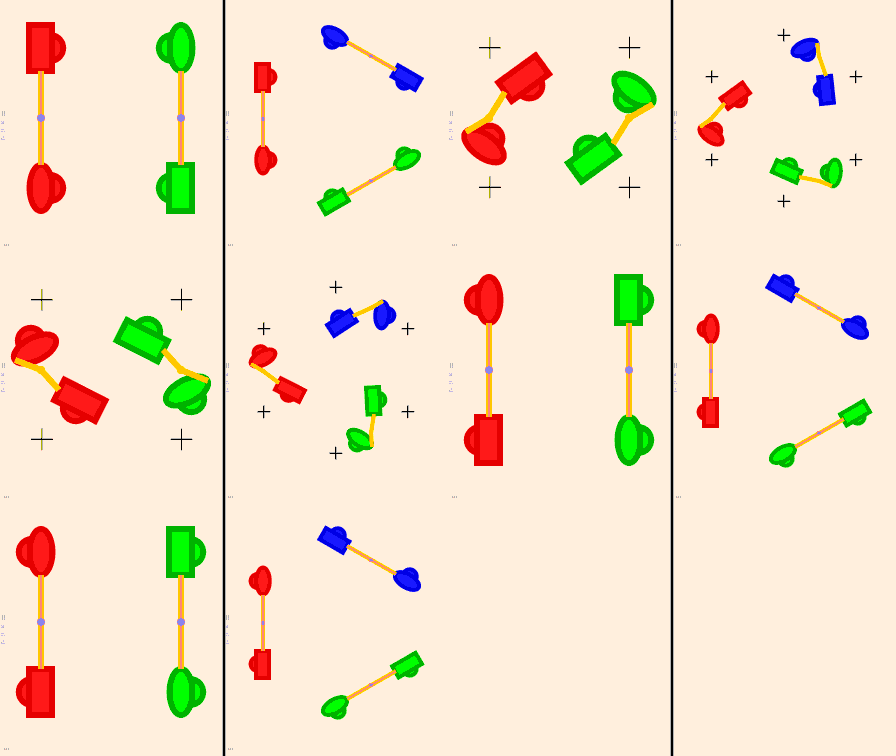
Trade right, those who can trade left.
More accurately this is a right pull-by, followed by a left, then another right, then an allemande left once around to change directions, then a right pull-by, left, and right. Ending where you started.
Ladies move into the center and take hands in a long wave down the center, they balance, they fall back as the gents come forward, and the gents balance.