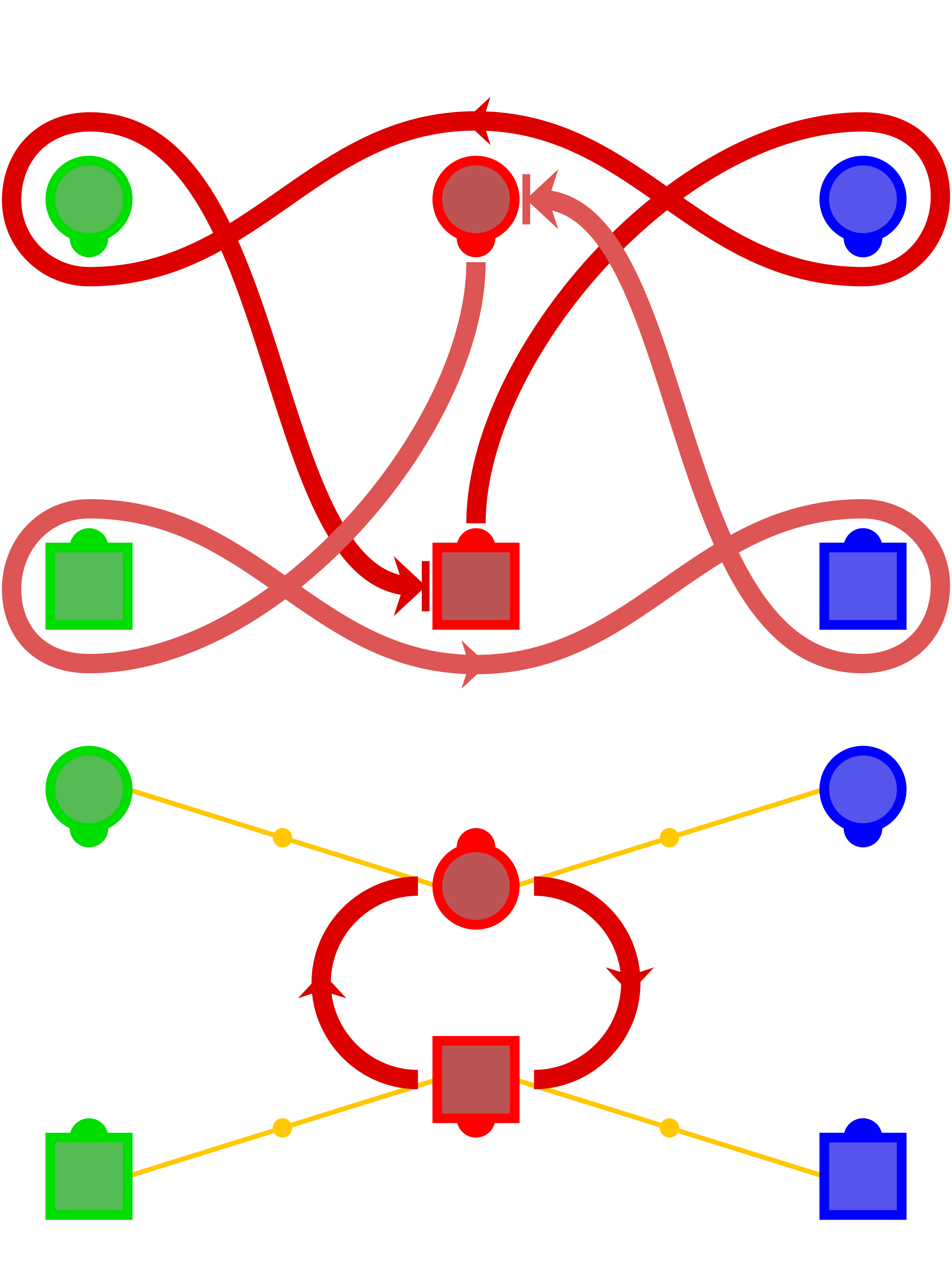
Feuillet devised a pictorial way of expressing a dance. This image was taken
from the
Library of Congress and is out of copywrite. As a companion to this, I also
have a crib diagram of the same dance (or anyway, a modern interpretation of it).
Feuillet devised a pictorial way of expressing a dance. This image was taken
from the
Library of Congress and is out of copywrite. As a companion to this, I also
have a crib diagram of the same dance (or anyway, a modern interpretation of it).I would dearly like to have a light-weight, flexible, breathable, durable (resistant to sweat corrosion, etc.), cleanable video display which could be made into a garment — so that I could wear a shirt showing a dance animation. But until such a thing is invented I'm stuck with putting static images onto teeshirts.
But how do you represent a dance as a static image?
Well Raoul-Auger Feuillet drew little pictures showing the path of each dancer. Since this becomes a mess if you have lots of movement, each picture usually showed only 4 bars, so you might have 8 images to describe a dance. He also included glyphs to show when to take hands, drop hands, clap, etc.
The crib diagrams devised by F. L. Pillings, extended by Keith Ross, and used by the RSCDS are another way. Unfortunately one has to understand an alphabet of symbols before the diagrams make sense. These can be further extended for ECD (or Contra), with some additional symbols.
I currently have several different sets of teeshirt designs which you have my explicit permission to download and use to make your own shirts:
I also have a rather miscellaneous collection of designs related to dancing:
Feuillet devised a pictorial way of expressing a dance. This image was taken
from the
Library of Congress and is out of copywrite. As a companion to this, I also
have a crib diagram of the same dance (or anyway, a modern interpretation of it).
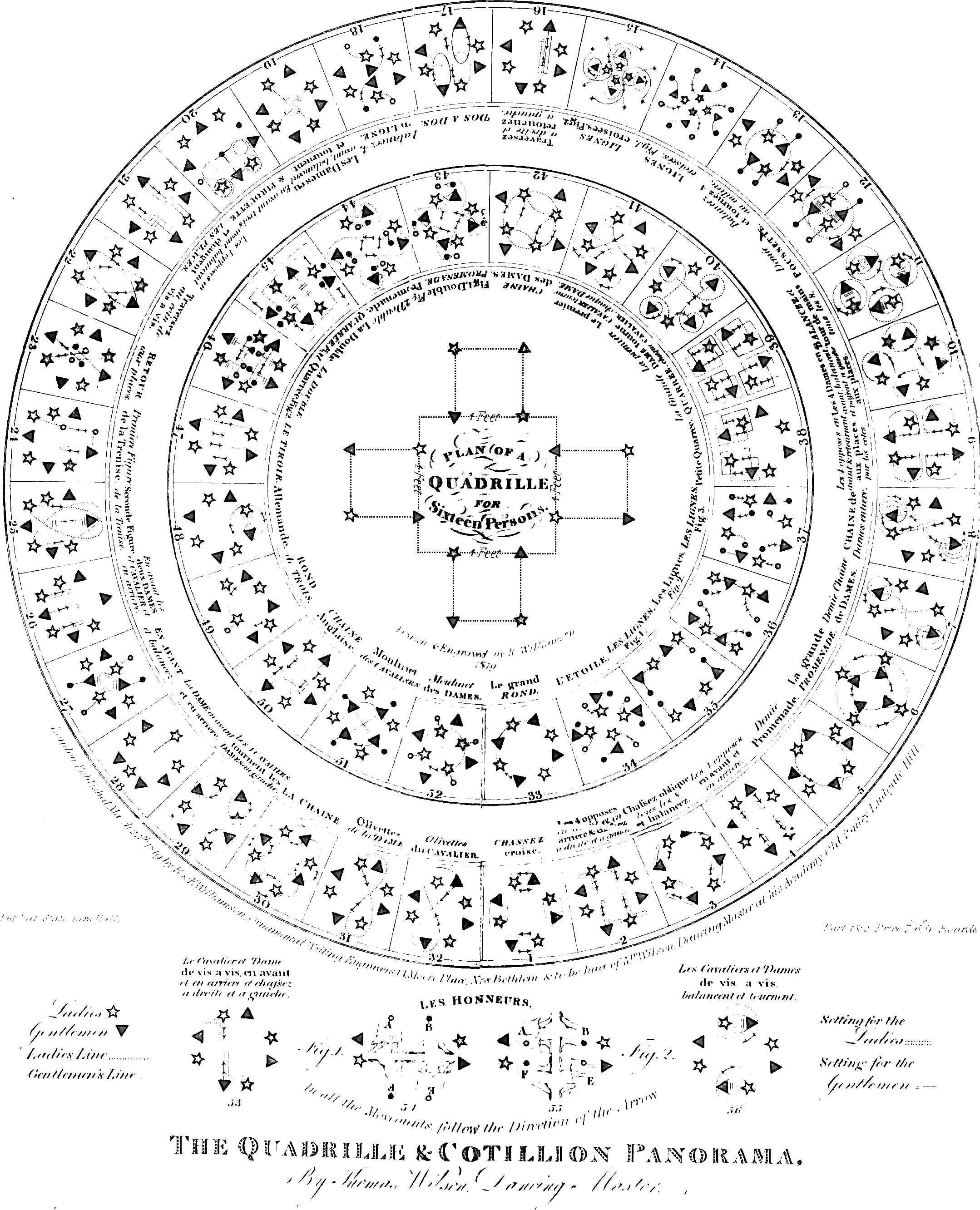 In 1822 Thomas Wilson published The Quadrille and Cotillion Panorama
and in it he had a diagram showing many of the figures used in quadrilles
(which was what most dances in a square formation were called then). It's an
interesting display, though the text isn't entirely legible on a tee-shirt.
In 1822 Thomas Wilson published The Quadrille and Cotillion Panorama
and in it he had a diagram showing many of the figures used in quadrilles
(which was what most dances in a square formation were called then). It's an
interesting display, though the text isn't entirely legible on a tee-shirt.
Wilson's image is in the public domain.
The image I supply is based on the scan done by the Library of Congress, and I don't have as much control over the size as I normally do. It is 2158 pixels wide or about 10.75 inches at 200dpi. (Click on the teeshirt at right to download.)
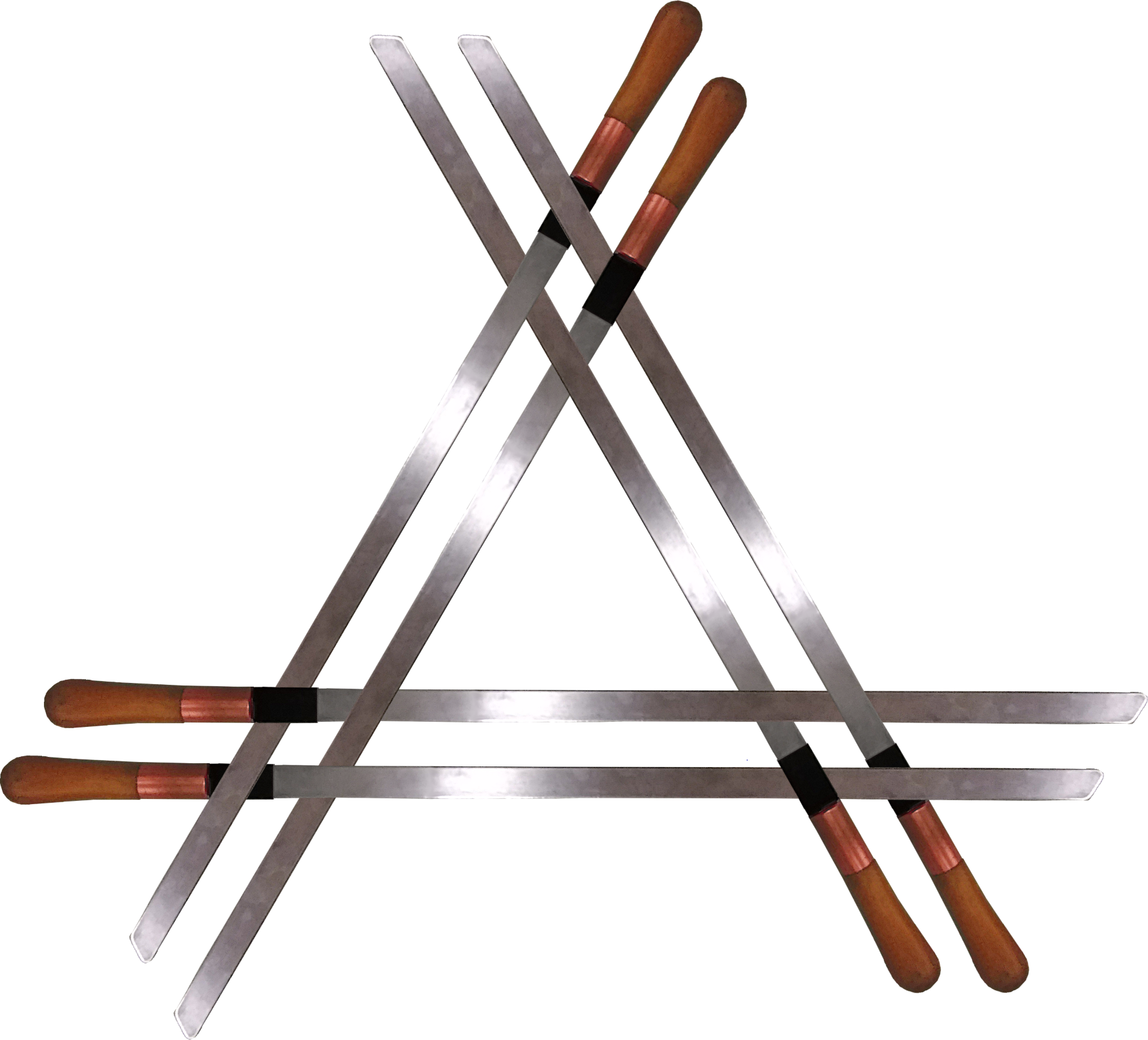
 The figure named "Double Triangles" was invented by Thomas Wilson in 1811. When the
(R)SCDS first interpreted it (in "There's Nae Luck Aboot The Hoose", Book 10, 1935)
they changed it into reels for
three on opposite sides — which gives the 1s a vaguely similar track and
gets everyone involved.
The figure named "Double Triangles" was invented by Thomas Wilson in 1811. When the
(R)SCDS first interpreted it (in "There's Nae Luck Aboot The Hoose", Book 10, 1935)
they changed it into reels for
three on opposite sides — which gives the 1s a vaguely similar track and
gets everyone involved.
Then in Book 15, 1949, for the dance "Lord Rosslyn's Fancy" they invented a completely different figure, nothing like the original and have used that since. Note that the new figure starts in a different position, so the rest of the dance needs to be altered to use it.
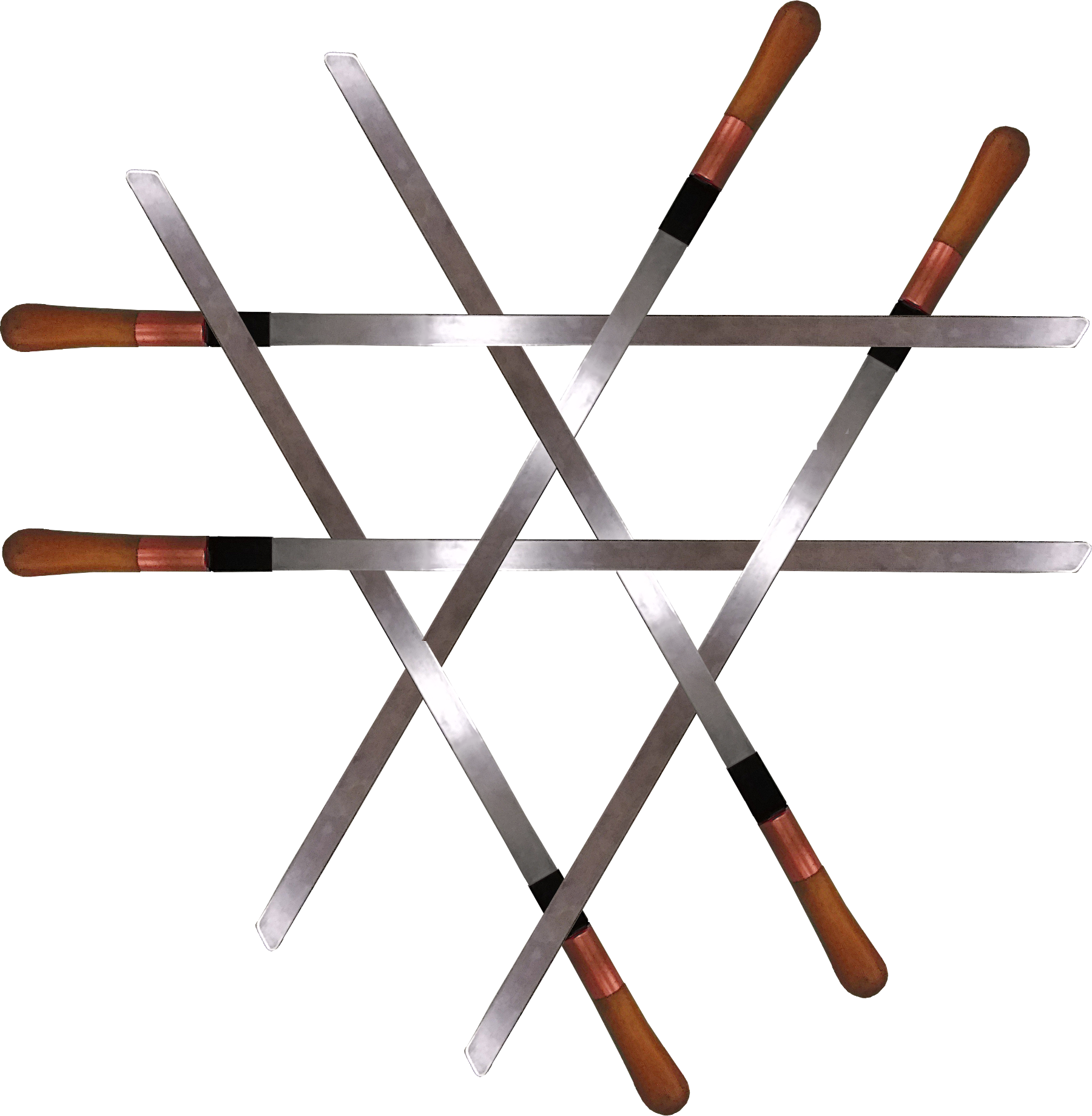
This image is designed for the front. I suggest pairing it with a "Double Triangle Sword Lock" for the back to show yet another meaning of the term.
The Scottish Country Dancers have invented a picto-graphical way of displaying a country dance which they call a "crib diagram." I don't know what the licensing terms might be for the ones other people have created, so I turned my attention to using the same technique for describing English Country Dances. And since a large number of the early Scottish Country Dances were actually Country Dances from London, this works fairly well.